
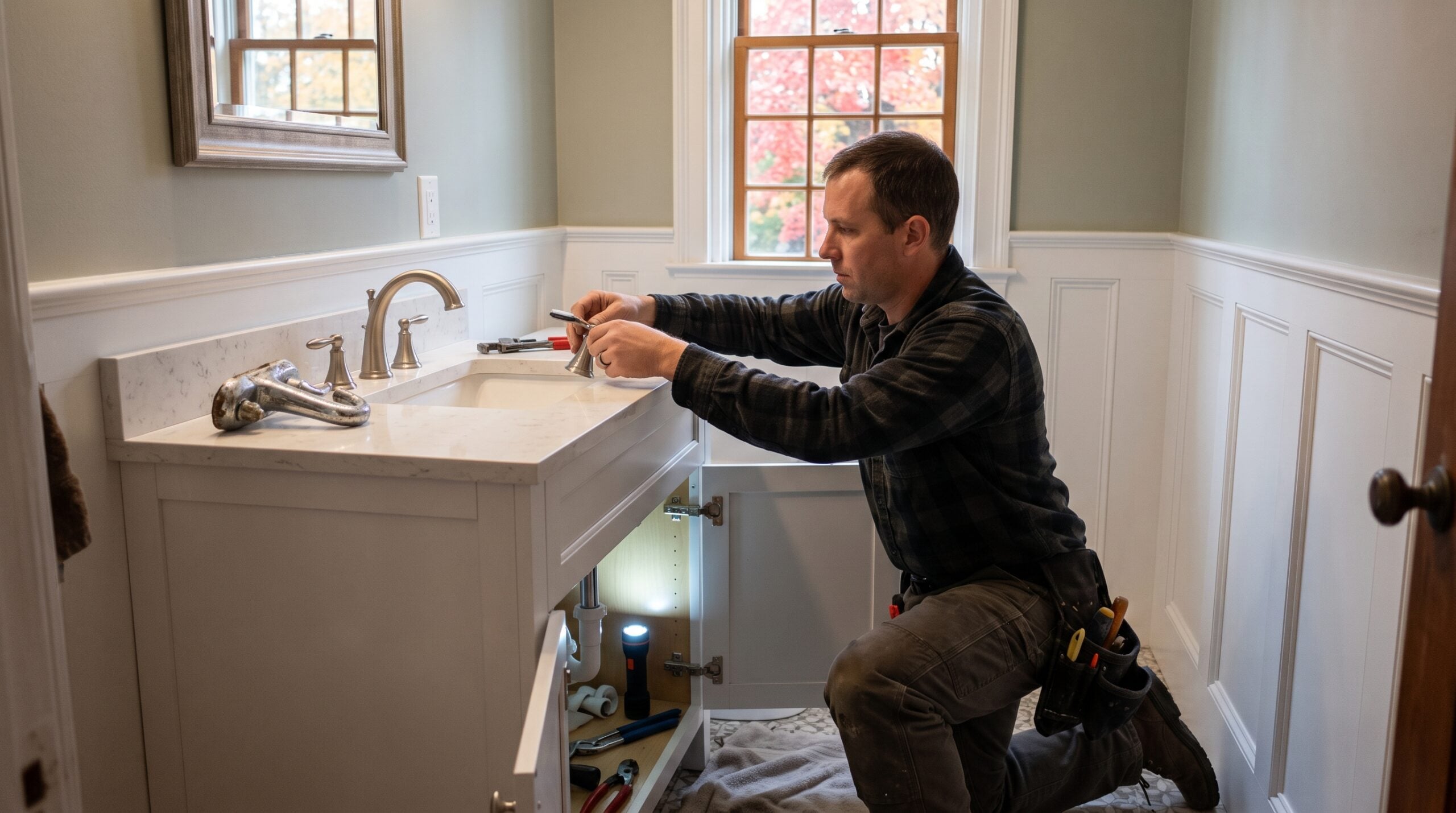
Plumbing Replacements in New Hampshire
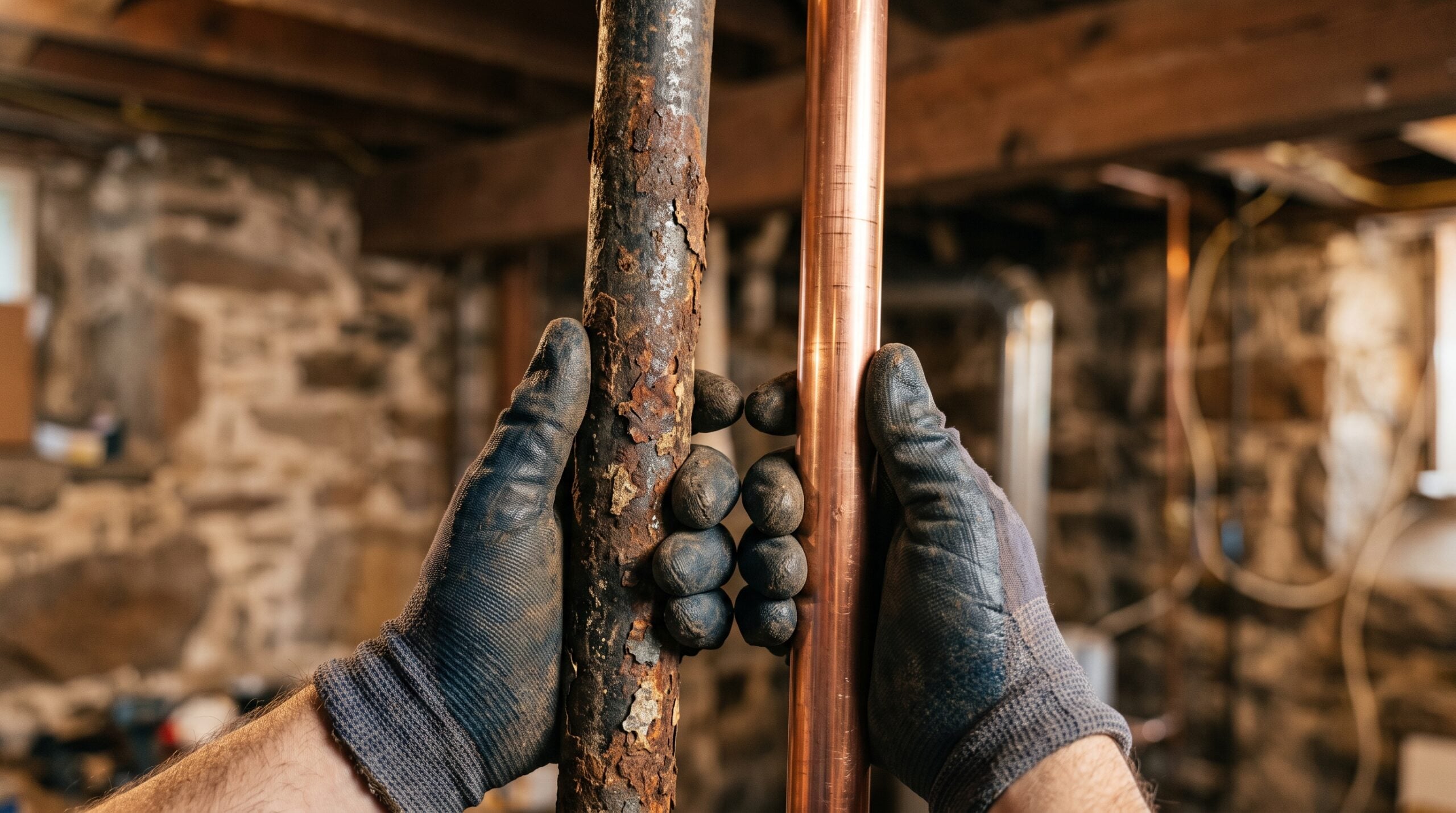
Old, damaged, or failing plumbing can cause recurring leaks, poor water pressure, water damage, and expensive repairs throughout your home. Heritage Home Service provides professional plumbing replacements in New Hampshire, including repiping, water line replacement, and sewer line replacement for homeowners who need a lasting solution instead of another temporary repair.
Our family-owned company helps New Hampshire homeowners understand what needs to be replaced, what can still be repaired, and which option makes the most sense for their home.
What Plumbing Systems Can Be Replaced?
Plumbing replacement can involve a single damaged section or a larger part of your home’s plumbing system. The right approach depends on the age of the pipes, the material, the location of the damage, and how frequently problems have occurred.
Heritage can help with plumbing replacement needs involving:
- Aging or deteriorated household piping
- Repeatedly leaking pipes
- Corroded water supply lines
- Damaged main water lines
- Cracked or failing sewer lines
- Plumbing affected by freezing
- Pipes with recurring clogs or restricted flow
- Outdated plumbing materials
- Plumbing being replaced during renovations
A professional inspection can determine how extensive the problem is before replacement work begins.
When Should You Replace Plumbing Instead of Repairing It?
A single leak does not necessarily mean you need new plumbing. If a relatively new pipe has one isolated damaged area, a repair may be all that is necessary.
Replacement becomes more practical when problems are widespread or keep returning. Signs that it may be time to consider plumbing replacement include:
- Multiple leaks in different areas of the home
- Frequent plumbing repair calls
- Persistent low water pressure
- Rust-colored or discolored water
- Visible corrosion on exposed pipes
- Unexplained increases in water usage
- Water stains on walls, ceilings, or floors
- Recurring sewer backups
- Unusual odors from drains
- Wet or unusually green areas in the yard
Older New Hampshire homes can also have plumbing materials that have reached or are approaching the end of their useful service life.
Tired of dealing with recurring plumbing problems? Contact Heritage Home Service to have your plumbing evaluated and discuss your replacement options.
What Is Whole-Home Repiping?
Whole-home repiping replaces aging or deteriorated supply pipes throughout a house. Instead of repairing individual leaks as they appear, repiping addresses the larger piping system responsible for carrying water to fixtures and appliances.
[Repiping] can be worth considering when leaks are occurring in multiple locations, corrosion is widespread, or the existing plumbing is no longer providing dependable water flow.
During a repiping project, plumbers determine which pipes need to be replaced and plan new piping routes while limiting unnecessary disruption to the home. New supply lines are then installed and tested for proper operation.
Repiping may help homeowners address:
- Repeated pipe leaks
- Corrosion
- Poor water pressure
- Aging plumbing materials
- Inconsistent water flow
- Concerns about future pipe failures
For homeowners who have already paid for several pipe repairs, replacing the affected plumbing system can provide a more permanent solution.
When Is Water Line Replacement Necessary?
Your main water line carries water from the municipal supply or private water source into your home. Damage to this line can affect water pressure and supply throughout the property.
[Water line replacement] may become necessary when a line has severe corrosion, significant damage, recurring leaks, or deterioration that cannot be corrected effectively with another repair.
Possible signs of a failing water line include:
- Sudden loss of water pressure
- Unexplained increases in water bills
- Standing water outside
- Soggy areas in the yard
- Discolored water
- Water entering the foundation or basement
- Repeated underground water line leaks
Because much of the line is underground, the source of the problem is not always visible. Professional diagnosis helps determine whether the line can be repaired or needs to be replaced.
How Do You Know If a Sewer Line Needs Replacement?
Your sewer line carries wastewater away from your home. When it develops serious damage, problems can affect several drains and fixtures rather than just one sink, shower, or toilet.
Recurring backups are one warning sign. Slow drains throughout the house, sewage odors, unusual lawn conditions, and repeated drain problems can also indicate a larger sewer line issue.
[Sewer line replacement] may be recommended when a line has:
- Collapsed
- Cracked extensively
- Become severely corroded
- Developed repeated root intrusion
- Shifted or separated
- Deteriorated beyond a practical repair
The goal is to identify the actual condition of the sewer line before recommending replacement. Not every clog requires a new sewer pipe, and homeowners should understand the reason replacement is being recommended before work begins.
Why Do New Hampshire Homes Experience Plumbing Problems?
New Hampshire plumbing systems deal with conditions that can be particularly hard on pipes.
Cold winter temperatures are one of the biggest concerns. Water inside poorly insulated or exposed plumbing can freeze and expand, putting substantial pressure on the pipe. A frozen pipe may crack and begin leaking when it thaws.
Older housing is another consideration. Many communities throughout New Hampshire have homes built across several generations, which means plumbing materials and previous renovations can vary considerably from one property to another.
Seasonal temperature swings, soil movement, tree roots, corrosion, and ordinary age can also contribute to water and sewer line deterioration.
These conditions make it important to look at the history of the plumbing problem rather than simply fixing the latest symptom.
What Happens During a Plumbing Replacement?
The exact process depends on the plumbing being replaced, but most projects begin with a thorough evaluation.
1. Identify the Problem
A plumber determines where the failure is occurring and evaluates the surrounding plumbing. This may involve inspecting accessible pipes or using diagnostic equipment when the problem is underground or inside the sewer system.
2. Determine Repair vs. Replacement
If the damage is isolated, repair may still be appropriate. If deterioration is extensive or problems have repeatedly returned, replacement may provide better long-term value.
3. Plan the Replacement
The plumber determines which pipes or lines must be removed, bypassed, or replaced and discusses the scope of work with the homeowner.
4. Install the New Plumbing
The affected piping is replaced using materials appropriate for the application and the home’s plumbing system.
5. Test the System
After installation, the new plumbing is checked for leaks, proper water flow, drainage, and overall operation.
Heritage focuses on giving homeowners clear information before work begins so they understand what is being replaced and why.
Can Plumbing Replacement Help Prevent Water Damage?
Replacing deteriorated plumbing can reduce the risk of future leaks from the affected pipes. This can be particularly important when aging supply lines run behind walls, beneath floors, or through other areas where a leak may go unnoticed.
A small hidden leak can eventually damage drywall, flooring, insulation, cabinetry, and other parts of a home. A major pipe failure can cause considerably more damage in a short period.
Replacement does not mean a plumbing system will never need service again, but removing known deteriorated piping can address an important source of recurring problems.
Should You Replace Plumbing Before It Fails?
Not every older pipe needs immediate replacement. Age is only one factor.
Homeowners should also consider the pipe material, visible condition, repair history, water quality, water pressure, and signs of active deterioration.
Preventive replacement may make sense when:
- Several leaks have already occurred
- Pipes show significant corrosion
- Major remodeling will expose existing plumbing
- Water pressure has steadily declined
- The plumbing material is approaching the end of its expected service life
- A plumber finds widespread deterioration
Replacing plumbing before a major failure can also make the project easier to plan instead of dealing with an unexpected emergency.
Why Choose Heritage Home Service for Plumbing Replacement?
Plumbing replacement is a significant home project, so homeowners deserve clear recommendations and straightforward communication.
Heritage Home Service is a family-owned home services provider serving communities across New Hampshire and Northern New England. Our plumbers handle everyday plumbing problems as well as larger replacement projects, giving homeowners one company to call when a plumbing issue goes beyond a simple repair.
We focus on diagnosing the source of the problem before recommending a solution. If replacement is appropriate, we explain the work involved so you can make an informed decision for your home.
Heritage also provides plumbing repair, leak detection, drain cleaning, water heater services, fixture installation, and other plumbing solutions for New Hampshire homeowners.
Need a professional opinion on aging or damaged pipes? Schedule plumbing service with Heritage Home Service today.
Plumbing Replacement in NH
FAQs
-
How do I know if my house needs repiping?
Frequent leaks, widespread corrosion, declining water pressure, discolored water, and aging pipes can indicate that repiping should be considered. A plumber can inspect the system to determine if problems are isolated or widespread.
-
Do I need to replace all of my plumbing at once?
Not necessarily. Some homes only need one damaged section or line replaced. Whole-home repiping is generally considered when deterioration affects a significant portion of the plumbing system or repairs have become frequent.
-
Can frozen pipes need to be replaced?
Yes. Water expands when it freezes and can split or crack a pipe. Some frozen pipes can be repaired after thawing, while extensively damaged sections may need replacement.
-
Is a water line problem different from a sewer line problem?
Yes. The main water line supplies clean water to the home, while the sewer line carries wastewater away. Both can develop underground problems, but the symptoms, diagnostic process, and replacement work are different.
-
Does a sewer backup mean I need a new sewer line?
Not always. A backup can be caused by a clog that can be cleared. Replacement may be necessary when inspection reveals major structural damage, collapse, severe deterioration, or another problem that cannot be corrected effectively with repair.
-
Is repiping worth it in an older New Hampshire home?
It can be when the existing plumbing has widespread deterioration or repeatedly needs repairs. Repiping can address recurring leaks and other problems associated with aging supply pipes. A professional inspection is the best way to determine if replacement is appropriate for a specific home.
Schedule Plumbing Replacement in New Hampshire
One Trusted Maine Team for All Your Plumbing Replacement Needs
Recurring leaks, damaged water lines, and failing sewer pipes can become more expensive and disruptive when they are left unresolved. Heritage Home Service can inspect your plumbing, explain the condition of the system, and help you determine when replacement is the right solution.
Schedule trusted plumbing replacement with Heritage Home Service today and get the lasting solution your New Hampshire home needs.


Financing Made Easy
When you choose Heritage, you can rest easy knowing that we provide straightforward options to help you budget for a complete solution that will last you for decades to come.
VIEW FINANCING OPTIONS

Home Advantage Membership
With Home Advantage Membership, enjoy peace of mind knowing your home’s plumbing, heating, cooling, and electrical needs are handled year after year—hassle-free, with added benefits.
VIEW MEMBERSHIP
What Our Customers Are Saying
Zach did an amazing job on maintaining our HVA system.. It was a pleasure to have him at our home working as a technician. We were very impressed how clean it came out
Show More
Ellen Noon
Installed new bathroom fan. Tyler was very knowledgeable, professional, and efficient. Took time to explain installation and show me photos. Cleaned up after installation. Great communication from Heritage and Tyler.
Show More
Ellen Stanford
Angel was very thorough in describing the work he performed and noting that our system could use additional cleaning to ensure its longevity. I appreciated his knowledge and patience.
Show More
Douglas Cote
Nicholas provided exceptional service and was very thorough. He also answered questions I had and was very knowledgeable. Thank you
Show More
Gloria Hallett
Tech was great! $1140 seems a little steep for two shut off replacements and a faucet install 1.5hrs total labor…but I guess you get what you pay for, and Zach was great.
Show More
Brady Patterson
He was very efficient and detailed. He explained exactly what was done and what was going on with my furnace. Very personable and professional. I would recommend Heritage Home Services.
Show More
paula garabedian
John came out to fix a faulty dryer outlet and did a great job. He clearly knows his work. He found the problem quickly and fixed it right the first time. What I appreciated most was how well he explained everything: what caused the issue, how he fixed it, and what to watch for going forward. He answered all my questions patiently and never made me feel rushed. The price was a bit on the higher side, but the quality of the work and the peace of mind made it worth it. I’d definitely call him again and recommend him to anyone needing electrical work.
Show More
Tony Loyd
Kyle and his team were great. The communication before and during the service were fantastic. Very knowledgeable. Also worked cleanly and efficiently. Would use him and his team again.
Show More
Bill Curry
I had a wonderful experience with Heritage Plumbing Company, especially with Chris, the technician who serviced our heating system today. He arrived on time, communicated throughout the process, and did an excellent job. He was professional, knowledgeable, and made sure everything was taken care of. My tenants are very pleased with the service, and so am I! It’s such a relief to work with someone who is reliable, courteous, and takes pride in their work. Thank you, Chris, for the excellent service. Highly recommend!
Show More
Rossy Concepcion
The guys were great. Corey went thru all steps they were taking and took the time to answer questions. I felt comfortable they knew what they were doing. Great job
Show More
Nicole Martin
Schedule a comprehensive service near you!
Whether you need routine maintenance, repair, or new installation – we have you covered.