Clean, Safe Water Starts with Reverse Osmosis
If you’re concerned about your home’s water quality, a reverse osmosis system is one of the most effective solutions available. At Heritage Home Service, we help homeowners across New Hampshire install high-quality water filtration systems that remove contaminants and improve taste.
But should you choose a whole-home reverse osmosis system or a point-of-use system? Understanding the difference can help you make the best decision for your home.
What Is a Reverse Osmosis System?
A reverse osmosis (RO) system is an advanced water filtration method that forces water through a semi-permeable membrane to remove impurities.
Reverse osmosis systems can reduce or eliminate:
- Lead and heavy metals
- Chlorine and chemicals
- Dissolved solids and minerals
- Bacteria and contaminants
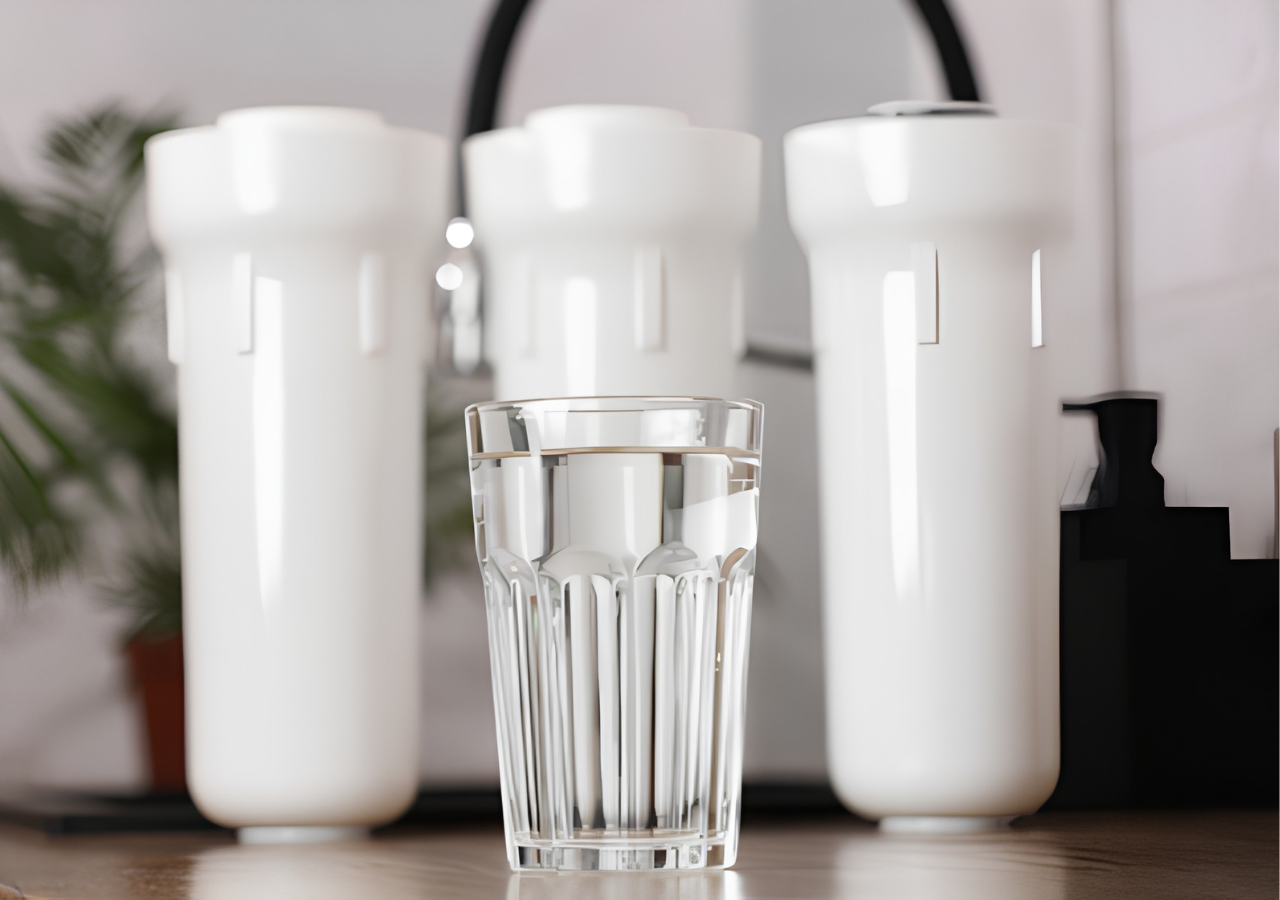
This process delivers clean, great-tasting drinking water directly from your tap.
Point-of-Use Reverse Osmosis Systems (Under-Sink Systems)
A point-of-use reverse osmosis system is installed at a single faucet, typically under your kitchen sink.
Benefits of Point-of-Use RO Systems
- Provides high-quality drinking water where you need it most
- Lower upfront cost compared to whole-home systems
- Compact and easy to install
- Improves water taste and odor immediately
Best Uses
- Drinking water
- Cooking
- Ice makers and refrigerators
Considerations
- Only filters water at one location
- Does not treat water for showers, laundry, or entire home use
A point-of-use system is ideal if you’re focused on improving your drinking water without upgrading your entire home’s plumbing.
Whole-Home Reverse Osmosis Systems
A whole-home reverse osmosis system filters all the water entering your home, ensuring every tap delivers purified water.
Benefits of Whole-Home RO Systems
- Clean, filtered water from every faucet
- Protects plumbing, appliances, and fixtures
- Improves water quality for bathing, laundry, and cooking
- Ideal for homes with significant water contamination
Best Uses
- Well water treatment
- Homes with high levels of dissolved solids or contaminants
- Homeowners seeking complete water purification
Considerations
- Higher upfront investment
- Requires professional installation and space
- May need pre-treatment systems depending on water quality
A whole-home system is the best choice for homeowners dealing with widespread water quality issues or looking for total home water filtration.
Whole-Home vs. Point-of-Use: Which Reverse Osmosis System Is Right for You?
Choosing between a whole-home RO system and a point-of-use system depends on your specific needs:
- For better drinking water: Point-of-use systems are cost-effective and efficient
- For complete home water filtration: Whole-home systems provide full coverage
- For unknown water issues: Start with a professional water test
At Heritage Home Service, we evaluate your water quality and recommend the best water filtration system for your home.
Why Choose Heritage Home Service for Water Filtration in New Hampshire?
Homeowners trust Heritage Home Service for reliable water treatment solutions and expert installation.
- Customized water filtration recommendations
- Professional installation of reverse osmosis systems
- Ongoing maintenance and support
- Local expertise in New Hampshire water conditions
Schedule Your Water Test Today
If you’re noticing poor water taste, odors, or buildup in your home, it may be time to consider a reverse osmosis water filtration system.
Contact Heritage Home Service today to schedule a water test and find the right solution for cleaner, safer water in your home.
What New Hampshire Homeowners Should Know About Local Water Quality
Water quality in New Hampshire isn’t a one-size-fits-all issue. The state draws from a mix of municipal systems and private wells, and water composition varies significantly depending on where you live. Communities near the seacoast may deal with elevated sodium levels, while inland and well-reliant homes in the Lakes Region and White Mountain foothills often contend with hardness minerals, iron, or naturally occurring arsenic — a documented concern in parts of New Hampshire’s granite-rich bedrock geography.
New Hampshire’s private well usage rate is among the highest in New England. If your home relies on a well, you’re responsible for the quality of your own water supply. Municipal treatment provides baseline protection, but it doesn’t eliminate all contaminants — and aging distribution infrastructure can introduce issues between the treatment plant and your tap. A professional water test gives you an accurate picture of what’s actually in your water before choosing a filtration solution.
Not sure what’s in your water? Contact Heritage Home Service to schedule a water quality test today.
How Long Does a Reverse Osmosis System Last?
A properly maintained reverse osmosis system can last 10 to 15 years or more, though specific components have their own replacement schedules. The semi-permeable membrane — the core of the RO process — typically needs replacement every two to five years depending on water quality and usage. Pre-filters and post-filters are changed more frequently, usually every six to twelve months.
For whole-home systems, annual professional service is a practical standard. Heritage Home Service offers ongoing maintenance support to keep your system performing at full capacity and to flag any component that’s due for replacement before it affects water quality. Keeping up with filter changes is the single most important thing a homeowner can do to protect their investment.
Frequently Asked Questions About Reverse Osmosis Systems in New Hampshire
Is a reverse osmosis system worth it for a New Hampshire home?
For most homeowners — especially those on private wells or in areas with known water quality concerns — yes. RO systems reliably remove a wide range of contaminants that affect both the safety and taste of drinking water. Whether a point-of-use or whole-home system makes more sense depends on your water test results and household priorities. Heritage can help you evaluate both options.
Will a reverse osmosis system remove arsenic from well water?
Yes. Reverse osmosis is one of the most effective methods for reducing arsenic levels in drinking water. It’s a common reason New Hampshire homeowners on private wells choose RO filtration. The membrane blocks the majority of dissolved arsenic before water reaches your tap. A water test will confirm your starting arsenic levels and allow Heritage to size and configure the right system for your home.
Does an RO system waste a lot of water?
Traditional RO systems do produce some wastewater as part of the filtration process — older systems could reject two to four gallons of water for every gallon filtered. Modern, higher-efficiency systems have improved significantly on this ratio. If water conservation is a priority for your household, Heritage can recommend a system designed to minimize waste without compromising filtration quality.
Can I install a reverse osmosis system myself?
Point-of-use systems are sometimes marketed as DIY-installable, but improper installation can lead to leaks, inadequate water pressure, or a system that doesn’t perform as intended. Whole-home systems require professional installation to integrate correctly with your home’s plumbing. Heritage recommends professional installation for both types to ensure the system is set up correctly and operating at full efficiency from day one.
How do I know when my RO filters need to be replaced?
Some systems have indicator lights that signal when a filter change is needed. Others require tracking replacement intervals based on time and usage. Signs that filters may be overdue include a change in water taste or odor, a noticeable drop in water flow from the RO tap, or a change in water clarity. Heritage offers maintenance service to keep your filter schedule on track.
Does a whole-home RO system affect water pressure?
Whole-home reverse osmosis systems can reduce water pressure if not properly sized or if a pressure tank isn’t included in the system design. Heritage evaluates your home’s existing water pressure, household size, and peak usage before recommending a whole-home system, ensuring the configuration delivers both filtration quality and adequate flow throughout the house.
Ready for cleaner water? Call Heritage Home Service today to schedule your water test and consultation.

Financing Made Easy
When you choose Heritage, you can rest easy knowing that we provide straightforward options to help you budget for a complete solution that will last you for decades to come.
VIEW FINANCING OPTIONS
Complete Care Plan
With Complete Care, enjoy peace of mind knowing your home's plumbing, heating, cooling, and electrical needs are handled year after year—hassle-free, with added benefits.
VIEW PLAN