
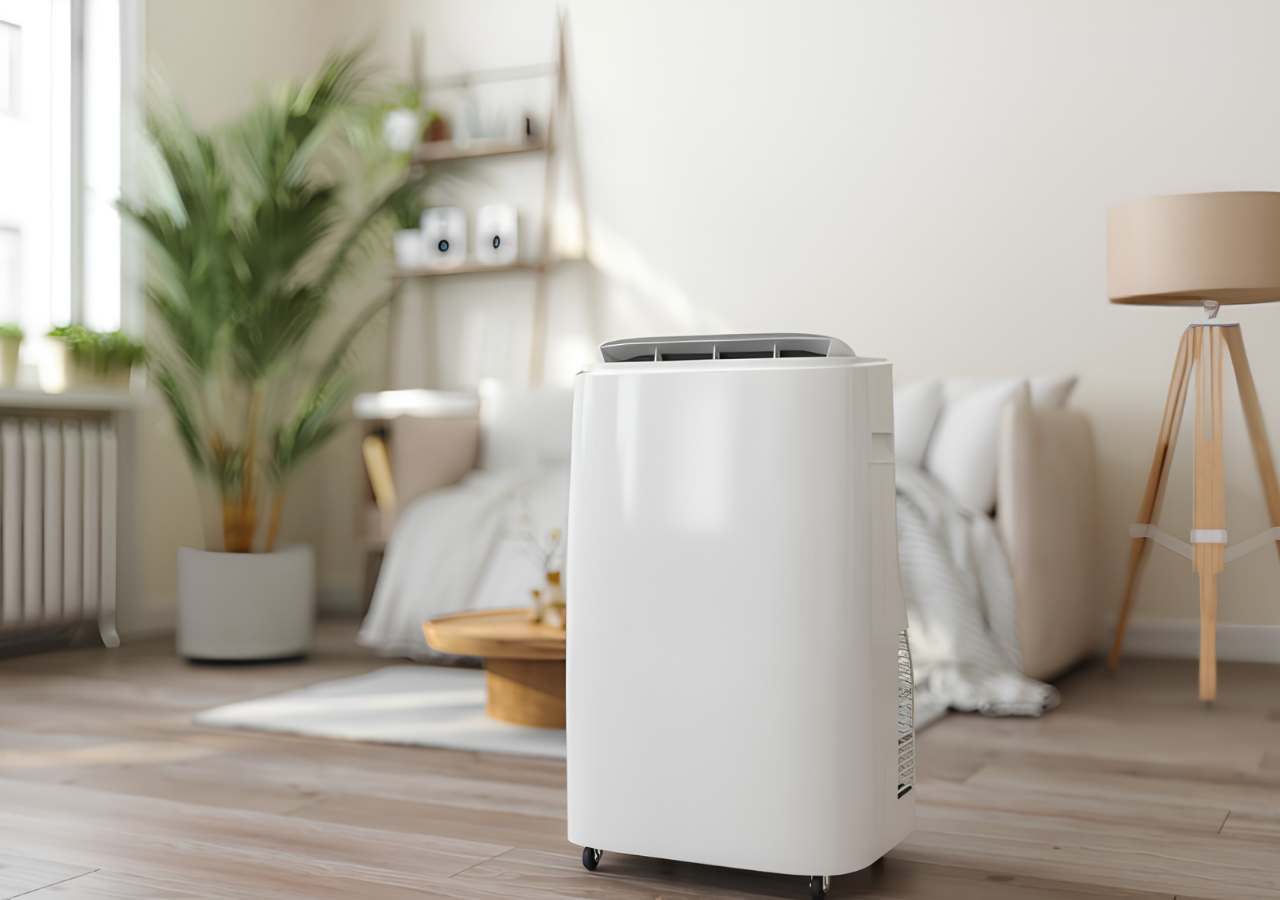
Why Dehumidifiers Matter
As summer fades and New England transitions into its crisp, colorful fall, most homeowners start thinking about heating systems, insulation, and getting ready for colder weather. But there’s one often-overlooked factor that can quietly impact your comfort and home health during this season: humidity. That’s where a dehumidifier becomes an essential part of your fall home prep.
Why Humidity Is Still a Problem in the Fall
Even though temperatures drop, New England doesn’t suddenly become dry. In fact, fall often brings a mix of damp air, rain, and fluctuating temperatures that can trap moisture inside your home. Add in closed windows and less ventilation, and humidity can build up quickly — especially in basements, crawl spaces, and poorly ventilated areas.
The Hidden Risks of Excess Moisture
High humidity levels aren’t just uncomfortable — they can lead to real problems:
- Mold and mildew growth: Fall moisture creates the perfect environment for mold, especially in basements and attics.
- Musty odors: That damp smell many homes develop this time of year is often a sign of excess humidity.
- Damage to your home: Moisture can warp wood, damage insulation, and even affect your home’s structural integrity over time.
- Health concerns: High humidity can aggravate allergies, asthma, and respiratory issues.
How a Dehumidifier Helps
A properly sized and installed dehumidifier works quietly in the background to keep your home balanced and comfortable by:
- Maintaining ideal humidity levels (typically between 30–50%)
- Preventing mold and mildew growth
- Improving indoor air quality
- Protecting your home and belongings from moisture damage
In New England homes — especially older ones — this can make a noticeable difference in both comfort and long-term maintenance.
Fall Is the Perfect Time to Install One
Many homeowners think of dehumidifiers as a summer solution, but fall is actually one of the most important times to have one running. Why?
- You’re closing up your home, reducing natural airflow
- Cooler temperatures can make moisture less noticeable but still present
- Basements often stay damp well into the colder months
Installing a dehumidifier now helps you stay ahead of issues before winter fully sets in.
Whole-Home vs. Portable Units
While portable units can help in small spaces, many New England homeowners benefit more from a whole-home dehumidifier. These systems integrate with your HVAC setup and provide consistent humidity control throughout your entire house — without the hassle of emptying buckets or moving units around.
A Smarter, More Comfortable Home This Fall
As you prepare your home for the colder months ahead, don’t overlook the role humidity plays in your comfort and health. A dehumidifier is a simple upgrade that delivers long-term benefits — helping you avoid costly repairs, improve air quality, and create a more comfortable living space.
If you’re unsure what type of system is right for your home, having a professional assess your space can make all the difference. Just Call Heritage.
How to Know If Your Home Has a Humidity Problem
Humidity issues don’t always announce themselves obviously. In many New England homes — particularly those with unfinished basements, crawl spaces, or older construction without vapor barriers — excess moisture builds up gradually and silently. By the time you notice visible mold or serious musty odors, the problem has usually been developing for weeks or months.
Some early indicators that humidity may be getting ahead of you:
- Condensation on windows or cold water pipes, especially in the morning
- A persistent damp or earthy smell in the basement, even after it’s been cleaned
- Paint peeling or bubbling on basement or lower-level walls
- Allergy or asthma symptoms that seem worse indoors during fall and winter
- Wood floors, trim, or furniture that appears warped or swollen
- Visible efflorescence — white, chalky mineral deposits — on basement walls or concrete floors
If you’re seeing two or more of these signs, your home is likely running at humidity levels above the 50 percent threshold where mold growth and structural damage risk increase meaningfully. A Heritage Home Service assessment can confirm the problem and help you determine the right solution.
Don’t wait until mold takes hold. Call Heritage Home Service today to schedule a home humidity assessment.
Whole-Home Dehumidifiers: What the Installation Process Looks Like
A whole-home dehumidifier is typically installed as part of your existing HVAC system — most commonly integrated with your furnace or air handler and ductwork. The unit pulls air from the home, removes excess moisture, and returns conditioned air to living spaces throughout the house. Because it works through your existing duct system, humidity control is consistent across every room — not just the basement or wherever you’ve placed a portable unit.
Installation is performed by a licensed HVAC technician and generally takes a few hours. Heritage Home Service will evaluate your home’s square footage, existing HVAC configuration, and typical moisture conditions before recommending the right capacity unit. Most whole-home dehumidifiers include a built-in humidistat that allows you to set your target humidity level and let the system maintain it automatically — no manual adjustments needed.
Frequently Asked Questions About Dehumidifiers in New England Homes
What humidity level should I maintain in my home during fall and winter?
The general target is between 30 and 50 percent relative humidity year-round. During colder months, staying closer to the 35 to 45 percent range helps prevent both excess moisture and the dry air that can cause its own set of problems — cracked woodwork, static electricity, and respiratory irritation. A whole-home dehumidifier with a humidistat makes it straightforward to maintain this range automatically.
Can a dehumidifier help with my heating efficiency?
Yes. Damp air feels colder than dry air at the same temperature — a phenomenon called the “feels like” effect. When your home’s humidity is properly controlled, you may find that your thermostat can be set a degree or two lower while maintaining the same level of comfort. Over a full heating season in New Hampshire, Maine, or Massachusetts, that adds up to real savings on your fuel or electricity bill.
Is a portable dehumidifier enough, or do I need a whole-home system?
Portable units are effective for targeted problem areas — a single finished basement room, a laundry area, or a crawl space. For whole-home humidity control or for homes where moisture infiltrates from multiple areas, a whole-home system integrated with your HVAC is more practical and more effective. Portable units also require regular maintenance (emptying the collection bucket, cleaning the coils) that whole-home systems don’t. Heritage can help you evaluate which approach fits your home and budget.
How do I know what size dehumidifier my home needs?
Sizing depends on your home’s square footage, the severity of the moisture issue, the number of below-grade areas, and your HVAC system’s configuration. An undersized unit will run constantly without reaching your target humidity; an oversized unit cycles on and off too frequently and doesn’t operate efficiently. Heritage Home Service assesses these factors before recommending a unit — ensuring you get the right capacity for your specific home.
Will a dehumidifier help with mold that’s already present?
A dehumidifier removes the moisture that mold needs to grow and spread, which stops active mold growth and prevents new colonies from forming. However, mold that’s already established needs to be physically remediated — a dehumidifier alone won’t eliminate existing mold. If you’ve discovered mold in your home, Heritage recommends addressing the remediation first and then installing a dehumidifier to prevent recurrence.
Does Heritage Home Service service dehumidifiers after installation?
Yes. Heritage Home Service provides ongoing maintenance for whole-home dehumidifiers, including filter cleaning, coil inspection, condensate drain checks, and humidistat calibration. Annual service keeps the system running efficiently and extends its service life. We’ll also catch developing issues early — before they affect performance or require a more costly repair.
Ready to protect your home from fall and winter moisture? Contact Heritage Home Service today to schedule your dehumidifier installation.

Financing Made Easy
When you choose Heritage, you can rest easy knowing that we provide straightforward options to help you budget for a complete solution that will last you for decades to come.
VIEW FINANCING OPTIONS
Complete Care Plan
With Complete Care, enjoy peace of mind knowing your home's plumbing, heating, cooling, and electrical needs are handled year after year—hassle-free, with added benefits.
VIEW PLAN