
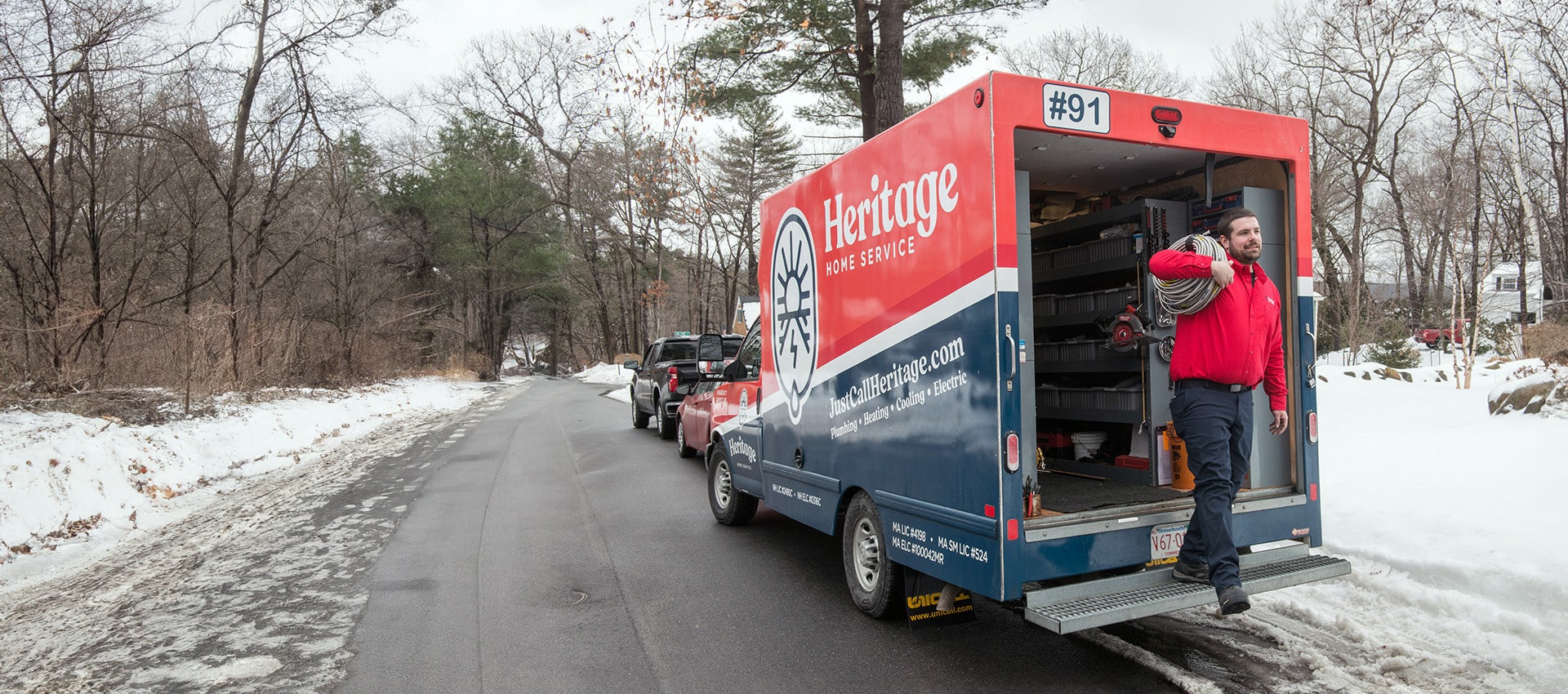
If you want to understand the condition of your heating system before winter arrives, a professional heating inspection is an excellent place to start. Heritage Home Service provides comprehensive heating inspections throughout New Hampshire, helping homeowners evaluate the safety, performance, and overall condition of their furnaces, boilers, heat pumps, and other heating equipment.
Unlike a seasonal tune-up, which includes cleaning and preventive maintenance, a heating inspection is a detailed assessment of your system. Our technicians evaluate key components, identify potential concerns, and provide recommendations based on your equipment’s current condition. This type of service is ideal if you’re experiencing performance issues, purchasing a home, planning a system replacement, or simply want a professional opinion about your heating equipment.
With NH LIC #2490C, more than 19,000 customer reviews, and technicians trained through the Heritage Training Academy, Heritage Home Service delivers thorough heating inspections that help New Hampshire homeowners make informed decisions.

Heating Inspection vs. Heating Tune-Up
Many homeowners use the terms “inspection” and “tune-up” interchangeably, but they serve different purposes.
A heating inspection is a professional assessment of your system’s condition. The technician evaluates safety, performance, and major components while identifying existing or potential problems. The focus is on diagnosing and documenting the condition of your equipment.
A heating tune-up, on the other hand, includes hands-on maintenance such as cleaning components, replacing filters when needed, lubricating moving parts, and making adjustments that help improve efficiency and prepare the system for the heating season.
If your goal is to understand the condition of your heating system before deciding on repairs or replacement, an inspection is often the appropriate first step.
When Should You Schedule a Heating Inspection?
A heating inspection can be beneficial in many situations, including:
- Before winter begins
- When buying a home
- Before selling a home
- After noticing unusual heating performance
- Before deciding whether to repair or replace equipment
- Following a prolonged period without professional service
- When you want a baseline assessment of an older heating system
An inspection provides valuable information that can help you plan future maintenance or repairs before a heating emergency occurs.
What Does a Heating Inspection Include?
Every inspection begins with a thorough evaluation of your heating equipment.
Depending on your system type, our technicians may inspect:
- Overall system condition
- Heat exchanger (where applicable)
- Burners and ignition components
- Safety controls
- Electrical connections
- Blower assembly
- Thermostat operation
- Airflow
- Venting and exhaust components
- Heat pump operation
- Refrigerant line condition on heat pumps
- Visible ductwork connections
- Signs of excessive wear or corrosion
Rather than performing maintenance during an inspection, we document findings and explain any concerns that could affect safety, reliability, or performance.
Heating Systems We Inspect
Our technicians inspect a wide variety of residential heating equipment.
Gas Furnaces
We evaluate major operating components, ignition systems, airflow, safety controls, and overall performance.
Boilers
Our inspections include visible piping, controls, safety devices, circulation components, and general operating condition.
Heat Pumps
Heat pump inspections evaluate both heating performance and overall system operation, including indoor and outdoor equipment.
Ductless Mini-Splits
For ductless heating systems, we inspect indoor units, outdoor equipment, controls, and overall performance.
No matter what type of heating equipment your home uses, our technicians can provide a professional assessment.
Why Heating Inspections Matter
Heating systems operate for months at a time during New Hampshire winters.
Even if your equipment appears to be working normally, hidden problems may be developing inside the system.
A professional inspection can help identify:
- Components showing signs of wear
- Potential safety concerns
- Performance issues
- Airflow problems
- Electrical concerns
- Thermostat issues
- Early warning signs of future repairs
Addressing these issues early may help homeowners avoid unexpected breakdowns during the coldest part of the year.
What Happens After the Inspection?
Once the inspection is complete, your technician will review the findings with you.
You’ll receive clear explanations regarding:
- The overall condition of your system
- Components operating normally
- Areas of concern
- Recommended repairs, if needed
- Whether maintenance or replacement should be considered
- Questions you may have about your equipment
Our goal is to provide the information you need to make confident decisions about your home’s heating system.
Should You Schedule a Tune-Up Instead?
If your heating equipment is already operating well and you’re preparing for winter, a seasonal tune-up may be the better choice because it includes preventive maintenance designed to improve efficiency and reduce the likelihood of breakdowns.
If you’re uncertain about your system’s condition, however, a heating inspection provides an objective assessment before deciding what service is appropriate.
If maintenance is recommended after the inspection, our technicians will explain your options without pressure.
Why New Hampshire Homeowners Choose Heritage Home Service
Homeowners across New Hampshire trust Heritage Home Service because we provide honest recommendations backed by professional expertise.
When you choose Heritage, you’ll benefit from:
- NH LIC #2490C
- More than 19,000 customer reviews
- Experienced heating professionals
- Heritage Training Academy technician education
- Detailed system evaluations
- Service for furnaces, boilers, heat pumps, and ductless systems
- Clear communication and straightforward recommendations
We believe homeowners should understand the condition of their heating system before making important repair or replacement decisions.
Frequently Asked Questions About Heating Inspections
-
What is the difference between a heating inspection and a tune-up?
A heating inspection evaluates your system’s condition and identifies potential issues, while a tune-up includes preventive maintenance such as cleaning, adjustments, and other service tasks to improve performance.
-
Should I schedule an inspection if my heating system seems to be working?
Yes. Many problems develop gradually and may not be obvious until they become larger repairs. An inspection can identify concerns before they lead to a breakdown.
-
Can you inspect heat pumps and ductless systems?
Absolutely. Our technicians inspect furnaces, boilers, heat pumps, and ductless mini-split systems.
-
Will you tell me if my system should be replaced?
Yes. If we find that replacement may be more practical than continued repairs, we’ll explain why and discuss your options so you can make an informed decision.
-
Does an inspection include repairs?
No. An inspection focuses on assessing and documenting the condition of your heating system. If repairs or maintenance are recommended, we’ll discuss those options with you after the inspection.
Schedule a Heating Inspection in New Hampshire
If you want a professional assessment of your heating system before winter or need answers about its condition, Heritage Home Service is here to help. Our experienced technicians provide comprehensive heating inspections for furnaces, boilers, heat pumps, and ductless systems throughout New Hampshire. We’ll evaluate your equipment, explain our findings, and help you make informed decisions about your home’s comfort. Contact Heritage Home Service today to schedule your heating inspection.

Financing Made Easy
When you choose Heritage, you can rest easy knowing that we provide straightforward options to help you budget for a complete solution that will last you for decades to come.
VIEW FINANCING OPTIONS
Complete Care Plan
With Complete Care, enjoy peace of mind knowing your home's plumbing, heating, cooling, and electrical needs are handled year after year—hassle-free, with added benefits.
VIEW PLAN