
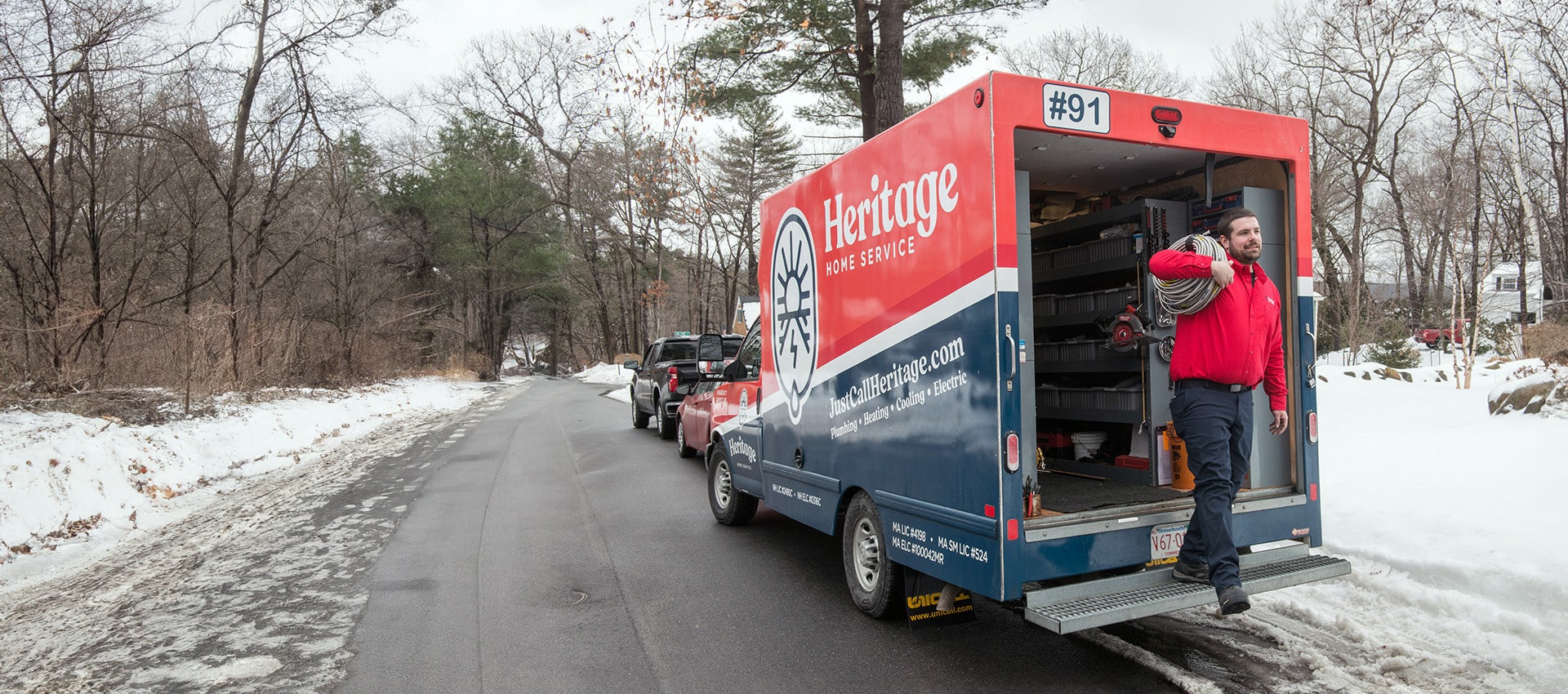
Maine winters put furnaces through months of demanding, near-continuous use. Professional furnace maintenance helps your heating system operate reliably, efficiently, and safely when temperatures fall across Portland and communities throughout the state.
Heritage Home Service provides comprehensive furnace maintenance in Maine for homeowners who want dependable comfort and fewer unexpected heating problems. Our family-owned team carefully inspects, cleans, tests, and tunes your system so it is prepared for the next cold snap.
Schedule furnace maintenance with Heritage Home Service today and get your Maine home ready for the heating season.
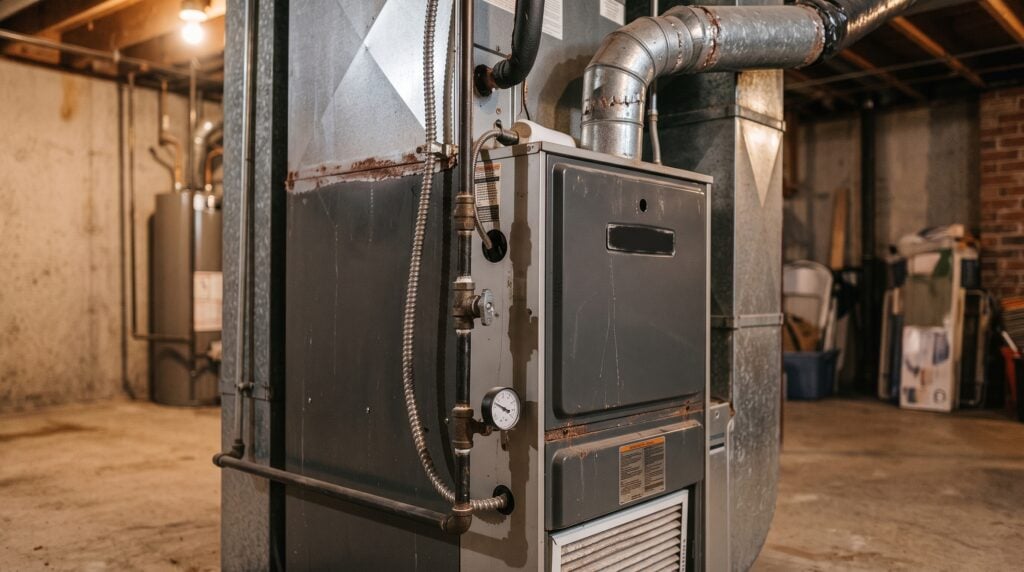
Why Is Annual Furnace Maintenance Important in Maine?
A furnace that worked properly last winter may still develop worn components, dirty burners, airflow restrictions, or electrical problems during months of heavy operation. These issues often remain unnoticed until the system struggles to heat the home or stops working entirely.
Annual furnace maintenance can help:
- Reduce the likelihood of unexpected breakdowns
- Improve heating efficiency
- Support more consistent indoor temperatures
- Identify worn or failing components early
- Promote safe furnace operation
- Improve airflow throughout the home
- Reduce unnecessary stress on the system
- Support a longer furnace service life
- Help maintain applicable manufacturer warranty requirements
Preventive service is especially valuable in Maine, where losing heat during freezing weather can quickly become more than an inconvenience. A heating failure may also increase the risk of frozen pipes and water damage.
What Is Included in a Furnace Tune-Up?
A furnace tune-up is a detailed inspection and maintenance visit designed to identify developing problems and improve system performance. The exact service may vary based on the furnace’s age, condition, fuel source, and manufacturer specifications.
During a typical appointment, a technician may:
- Inspect the furnace and accessible components
- Clean burners and other appropriate internal parts
- Examine the heat exchanger for visible concerns
- Check electrical connections and controls
- Test the thermostat
- Inspect the blower assembly
- Evaluate airflow and temperature output
- Check the ignition system
- Inspect the flue and venting system
- Examine safety switches
- Lubricate applicable moving components
- Check or replace the air filter as appropriate
- Test the furnace through a complete heating cycle
- Explain any recommended repairs or improvements
The goal is not simply to confirm that the furnace turns on. A professional tune-up evaluates how safely, reliably, and effectively the entire system operates.
When Should Maine Homeowners Schedule Furnace Maintenance?
The best time to schedule furnace maintenance is typically in late summer or early fall, before the heating season begins. An early appointment gives you time to address worn parts or other problems before cold weather places greater demand on the system.
However, maintenance can still be beneficial later in the season. If your furnace has not received professional attention within the past year, scheduling a tune-up now is usually better than waiting until next fall.
Most homeowners should arrange furnace maintenance once each year. Older systems, furnaces that operate for extended periods, and equipment with a history of repairs may require closer attention.
Do not wait for the first major freeze. Contact Heritage Home Service to schedule a professional furnace tune-up in Maine.
What Are the Signs Your Furnace Needs Professional Attention?
Annual maintenance is recommended even when a furnace appears to be working normally. Certain warning signs, however, make prompt professional service especially important.
Contact a heating technician if you notice:
- Unusual banging, rattling, buzzing, or squealing noises
- Uneven temperatures between rooms
- Weak airflow from supply vents
- A furnace that turns on and off frequently
- Longer-than-normal heating cycles
- Unexplained increases in energy use
- Unusual odors from the furnace or vents
- Difficulty starting the system
- A yellow or irregular burner flame in applicable gas furnaces
- Excessive dust throughout the home
- A thermostat that does not match the indoor temperature
- A furnace that is producing little or no heat
These symptoms can have several causes, including dirty components, faulty controls, restricted airflow, worn mechanical parts, or combustion concerns. A professional diagnosis helps determine whether routine maintenance is sufficient or a repair is necessary.
If you smell gas, hear a carbon monoxide alarm, or suspect an immediate safety hazard, leave the affected area and contact the appropriate emergency service or utility provider. Do not attempt to operate or inspect the furnace yourself.
How Does Furnace Maintenance Help Prevent Breakdowns?
Furnaces rarely fail without an underlying cause. Restricted airflow can make the blower work harder. Loose electrical connections can interrupt operation. Dirty burners can affect combustion, while worn components may eventually prevent the system from completing a heating cycle.
Maintenance allows these concerns to be discovered before they cause a larger failure. For example, replacing a badly clogged filter can restore airflow and reduce strain on the furnace. Finding a weakening component during an inspection may also prevent a no-heat call on a freezing night.
No maintenance visit can guarantee that a furnace will never break down. It can, however, reduce avoidable problems and give homeowners a clearer understanding of their system’s condition.
Can Furnace Maintenance Improve Heating Efficiency?
A well-maintained furnace generally has an easier time producing and distributing heat. Dirty components, airflow restrictions, and inaccurate controls can force the equipment to run longer than necessary to reach the thermostat setting.
A tune-up may improve system performance by:
- Supporting proper airflow
- Helping the furnace complete efficient heating cycles
- Ensuring the thermostat communicates correctly
- Removing appropriate dirt and buildup
- Reducing avoidable strain on mechanical components
- Confirming that burners and controls operate properly
Furnace maintenance cannot restore an aging system to its original efficiency or correct problems caused by poor ductwork and insufficient insulation. It does help the existing equipment operate as effectively as its condition allows.
Furnace Maintenance vs. Furnace Repair: What Is the Difference?
Furnace maintenance is preventive. It includes inspecting, cleaning, testing, and adjusting equipment before a major problem occurs.
Furnace repair is corrective. It addresses a specific malfunction, such as a failed ignitor, faulty blower motor, damaged control board, or furnace that will not produce heat.
A tune-up may reveal that a repair is needed, but the two services are not interchangeable. If your furnace is already malfunctioning, tell the scheduling team what you are experiencing so the visit can be arranged appropriately.
Should You Repair or Replace an Older Furnace?
Finding a problem during maintenance does not automatically mean the furnace must be replaced. Many isolated issues can be repaired cost-effectively, especially when the system has otherwise been dependable.
Replacement may deserve consideration when:
- The furnace requires frequent repairs
- A major component has failed
- The system cannot heat the home evenly
- Energy use continues to increase
- Replacement parts are difficult to obtain
- The furnace has significant safety concerns
- The equipment is approaching the end of its expected service life
- Repair costs are high compared with the value of the system
A knowledgeable technician can explain the furnace’s condition, the repair options, and the potential advantages of replacement. The final decision should account for safety, comfort, reliability, efficiency, and long-term cost—not age alone.
What Can Homeowners Do Between Professional Tune-Ups?
Homeowners can support furnace performance with a few simple habits:
- Check the air filter regularly
- Replace dirty filters with the correct size and type
- Keep supply and return vents open and unobstructed
- Avoid storing objects near the furnace
- Keep the surrounding area clean
- Test smoke and carbon monoxide alarms
- Watch for changes in sounds, odors, and heating performance
- Keep outdoor intake and exhaust openings clear when applicable
- Schedule service promptly when something seems wrong
Home maintenance is helpful, but it should not include opening combustion components, modifying wiring, bypassing safety controls, or attempting repairs without the appropriate training.
Why Choose Professional Furnace Maintenance?
Furnaces involve electrical controls, high temperatures, moving components, and—depending on the system—fuel combustion. Professional maintenance requires more than wiping down the cabinet or changing a filter.
A trained technician has the tools and experience to evaluate the complete heating cycle, recognize developing problems, and check important safety components. Professional service also creates an opportunity to ask questions about filter selection, thermostat use, uneven heating, or the overall condition of the system.
Heritage provides neighborly, customer-first care backed by deep roots in Northern New England. From seasonal maintenance to furnace and boiler repairs, heat pumps, ductless systems, plumbing, and electrical services, homeowners can turn to one dependable home service team.
Frequently Asked Questions About Furnace Maintenance in Maine
-
How often should a furnace receive maintenance?
Most furnaces should receive professional maintenance once a year. An annual appointment helps keep the equipment clean, identifies developing problems, and prepares the system for Maine’s extended heating season.
-
Is fall the only time to schedule a furnace tune-up?
No. Early fall is convenient because it prepares the system before winter, but furnace maintenance can be completed at other times. If the system is overdue, it is generally worthwhile to schedule service rather than wait another year.
-
How long does a furnace tune-up take?
The appointment length depends on the furnace’s design, accessibility, age, and condition. Systems that require cleaning or reveal potential problems may take longer to evaluate than newer equipment in good condition.
-
Does a furnace tune-up include changing the filter?
Filter service may be included when an appropriate replacement is available, but homeowners should confirm when scheduling. The technician can also explain which filter size and rating are suitable for the system.
-
Can maintenance stop my furnace from making noise?
It depends on the cause. Cleaning, adjustment, or tightening an appropriate component may resolve certain noises. Sounds caused by damaged or failing parts may require a separate repair.
-
Do new furnaces need annual maintenance?
Yes. New equipment still accumulates dust, experiences normal wear, and requires periodic inspection. Annual professional maintenance may also be necessary to support the terms of an applicable manufacturer warranty.
-
Can I perform a complete furnace tune-up myself?
Homeowners can replace filters, keep vents clear, and monitor their heating system. Combustion testing, electrical inspection, internal cleaning, and safety-control evaluation should be left to a qualified professional.
Schedule Furnace Maintenance in Maine Today
Preventive maintenance gives you greater confidence that your furnace is prepared for another Maine winter. Whether you live near Portland, along the Maine Turnpike, or in another community within the service area, Heritage Home Service is ready to provide dependable, family-focused care.
Call Heritage Home Service today to schedule furnace maintenance in Maine and enjoy reliable comfort throughout the heating season.

Financing Made Easy
When you choose Heritage, you can rest easy knowing that we provide straightforward options to help you budget for a complete solution that will last you for decades to come.
VIEW FINANCING OPTIONS
Complete Care Plan
With Complete Care, enjoy peace of mind knowing your home's plumbing, heating, cooling, and electrical needs are handled year after year—hassle-free, with added benefits.
VIEW PLAN