
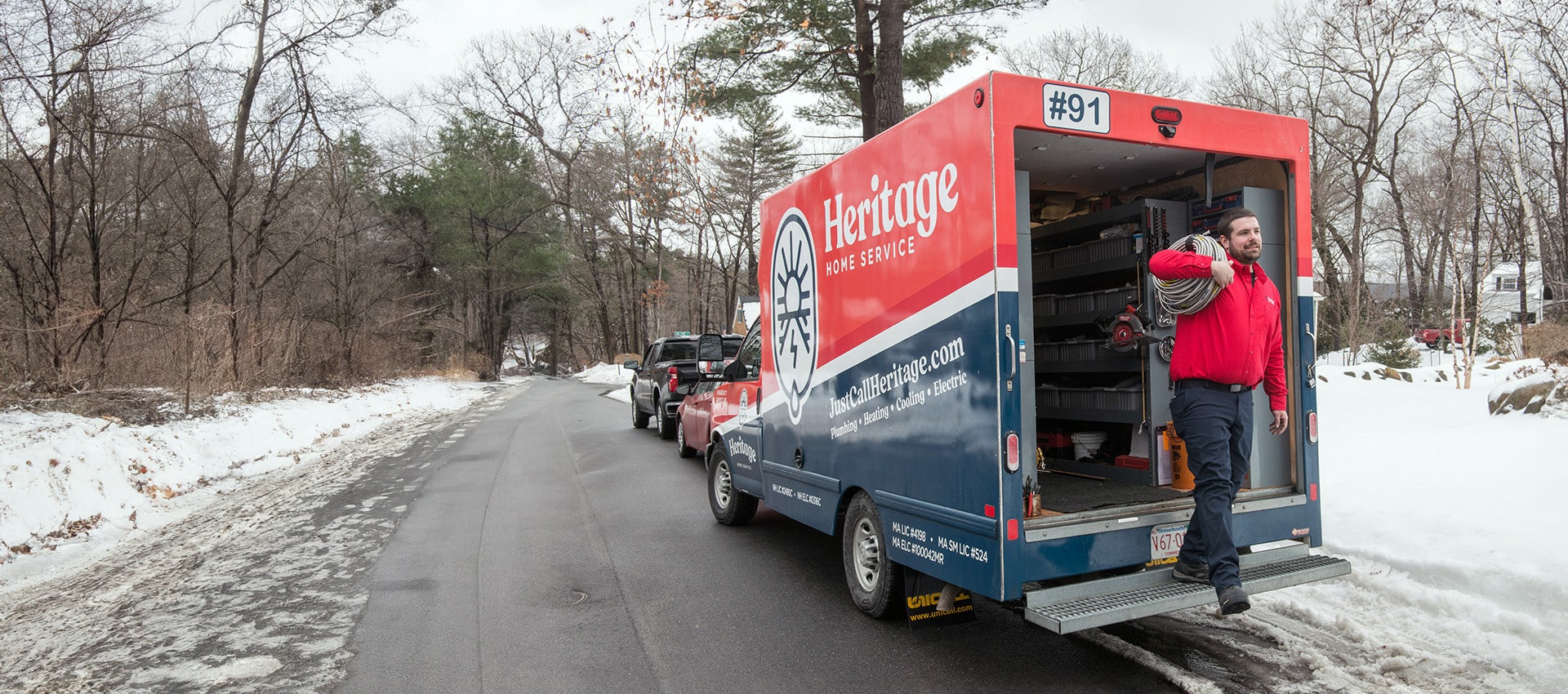
Old, damaged, or unreliable plumbing can cause recurring leaks, poor water pressure, wasted water, and unexpected property damage. Replacing a failing fixture, pipe, or plumbing appliance can provide a more dependable solution than continuing to repair equipment that no longer meets your household’s needs.
Heritage Home Service provides professional plumbing replacements in Maine for homeowners who want reliable workmanship and straightforward guidance. Our family-owned team can evaluate the problem, explain whether repair or replacement makes sense, and install the appropriate new plumbing component for your home.
Need to replace aging or damaged plumbing? Schedule service with Heritage Home Service today.

What Plumbing Components Can Be Replaced?
A home’s plumbing system includes far more than visible faucets and fixtures. Pipes, valves, connections, drains, water heaters, and other components all work together to supply clean water and carry wastewater away.
Professional plumbing replacement services may include:
- Faucets and showerheads
- Kitchen and bathroom sinks
- Toilets
- Bathtubs and showers
- Shutoff valves
- Supply lines
- Drainpipes
- Damaged sections of water line
- Outdoor hose bibs
- Garbage disposals
- Sump pumps
- Water heaters
- Pressure-reducing valves
- Plumbing fixtures
- Aging or corroded pipes
The right service depends on the location and extent of the problem. A single leaking connection may need only a localized repair, while widespread corrosion or recurring leaks could justify replacing a larger section of plumbing.
How Do You Know When Plumbing Needs to Be Replaced?
Plumbing problems do not always begin with a major flood. Many develop gradually and show warning signs before complete failure occurs.
Consider scheduling a professional inspection if you notice:
- Recurring leaks in the same area
- Water stains on ceilings or walls
- Corrosion on exposed pipes or fittings
- Rust-colored or discolored water
- Persistent low water pressure
- Fixtures that wobble, crack, or leak
- Toilets that require frequent repairs
- Slow drains that repeatedly return
- Unusual sounds when water is running
- Musty odors or visible mold
- Increasing water bills without an obvious explanation
- Water pooling near plumbing appliances
- Pipes that have frozen or burst
- An aging water heater with frequent problems
One symptom does not necessarily mean that extensive replacement is required. A plumber can locate the cause, determine how much of the system is affected, and recommend an appropriate solution.
Should You Repair or Replace a Plumbing Component?
Repair is often practical when the problem is isolated, the component is in otherwise good condition, and the fix is likely to provide reliable service. A loose connection, worn seal, or individual valve may not justify replacing an entire fixture or plumbing assembly.
Replacement may provide better long-term value when:
- Repairs are becoming frequent
- The component is heavily corroded
- Damage affects multiple areas
- Replacement parts are unavailable
- A fixture is cracked or structurally damaged
- Leaks have returned after previous repairs
- The existing equipment no longer meets household needs
- Water efficiency could be substantially improved
- The cost of continued repairs is approaching replacement cost
The decision should consider more than the immediate price. Reliability, water usage, potential property damage, expected service life, and the inconvenience of repeated repairs all matter.
Heritage will explain the available options clearly so you can decide what makes sense for your home and budget.
Why Do Maine Homes Develop Plumbing Problems?
Maine plumbing systems face demanding conditions throughout the year. Freezing temperatures are an obvious concern, but age, corrosion, water quality, changing water pressure, and everyday wear can also damage components.
Common causes of plumbing deterioration include:
- Freezing and expanding water inside pipes
- Corrosion in older metal plumbing
- Mineral accumulation
- Excessive water pressure
- Shifting or settling of the home
- Worn seals and connections
- Improper previous installations
- Repeated drain blockages
- Temperature changes
- Aging fixtures and appliances
- Accidental physical damage
Homes near the coast may also experience environmental conditions that contribute to corrosion of exposed materials. Older Maine properties can contain plumbing installed or modified during several different periods, producing a mixture of pipe types, fittings, and installation methods.
A professional inspection helps identify how these conditions affect the specific plumbing in your home.
Why Are Frozen and Burst Pipes a Serious Concern?
When water freezes, it expands and creates pressure inside the pipe. The resulting damage may not become obvious until the ice thaws and water begins escaping through a crack or failed connection.
Pipes are especially vulnerable in:
- Exterior walls
- Crawl spaces
- Unheated basements
- Garages
- Attics
- Cabinets along exterior walls
- Seasonal properties
- Areas with insufficient insulation
- Plumbing exposed to cold drafts
A burst pipe may require replacement of the damaged section. If freezing has affected several areas or exposed broader weaknesses, additional work may be appropriate.
Homeowners can reduce the risk by insulating vulnerable pipes, sealing air leaks, maintaining indoor heat, and disconnecting outdoor hoses before winter. During extreme cold, opening sink cabinets and allowing a small amount of water to move through vulnerable lines may also help.
What Happens During a Plumbing Replacement?
A professional replacement begins with an accurate evaluation. Replacing the visible damaged part without identifying the underlying cause can allow the problem to return.
The process may include:
- Inspecting the problem: The plumber examines the affected fixture, pipe, valve, or appliance and looks for related damage.
- Identifying the cause: The technician determines whether the issue involves corrosion, freezing, excessive pressure, age, improper installation, or another condition.
- Explaining the options: You receive a clear comparison between repair and replacement when both are reasonable.
- Selecting the replacement: The new component is chosen based on compatibility, capacity, efficiency, and household needs.
- Removing old materials: The failed fixture or plumbing section is disconnected and removed carefully.
- Completing the installation: New components, fittings, seals, or connections are installed according to applicable requirements.
- Testing the system: The plumber restores water, checks for leaks, and verifies proper operation.
- Reviewing the work: You receive information about using and caring for the new component.
The exact steps vary depending on whether the project involves a faucet, toilet, pipe, water heater, or another part of the plumbing system.
What Are the Benefits of Replacing Old Plumbing Fixtures?
Replacing a worn plumbing fixture can improve more than appearance. Modern fixtures may use water more efficiently, operate more reliably, and provide features that better fit your household.
Potential benefits include:
- Fewer leaks and repairs
- Improved water control
- Better water pressure at the fixture
- Reduced water waste
- Easier cleaning and maintenance
- Updated appearance
- Improved accessibility
- More dependable daily operation
A replacement project is also an opportunity to inspect nearby shutoff valves, supply lines, drains, and connections. Addressing worn supporting components during installation may help prevent another service call.
When Is Pipe Replacement Necessary?
Not every pipe leak requires extensive repiping. A plumber may be able to replace a limited damaged section when the surrounding material is still in good condition.
More substantial pipe replacement may be considered when:
- Leaks occur in multiple locations
- Exposed pipes show widespread corrosion
- Water is frequently discolored
- Pressure is consistently poor throughout the home
- Pipe material has reached an advanced state of deterioration
- Previous repairs have not provided lasting results
- Renovations require changes to the plumbing layout
- Existing pipes are not suitable for the household’s current needs
A thorough evaluation helps determine whether localized replacement or a larger project is appropriate. Homeowners should be cautious of conclusions based solely on the age of the property; actual pipe material and condition matter.
Can Plumbing Replacement Improve Water Efficiency?
A dripping faucet, leaking toilet, or damaged supply line can waste a surprising amount of water over time. Older fixtures may also use more water than newer alternatives designed for improved efficiency.
Replacement may reduce water consumption by addressing:
- Toilets that run continuously
- Faucets that drip after being turned off
- Showerheads with poor flow control
- Hidden supply-line leaks
- Inefficient plumbing appliances
- Faulty valves and connections
Lower water use may reduce utility costs and place less demand on private wells and septic systems where applicable. The actual savings will depend on household usage and the condition of the component being replaced.
How Can Homeowners Prepare for Plumbing Replacement?
A few basic preparations can make the service visit easier:
- Clear items from beneath affected sinks
- Remove belongings from around plumbing appliances
- Provide access to the main water shutoff
- Note where leaks or symptoms have appeared
- Gather information about previous repairs
- Protect valuable items near the work area
- Keep children and pets away from the workspace
- Ask questions about fixture preferences before installation
If water is actively leaking, shut off the nearest fixture valve or the home’s main water supply if you can do so safely. Move belongings away from the affected area and contact a plumber promptly.
Why Choose Professional Plumbing Replacement?
Even a straightforward fixture replacement involves water supply connections, seals, drainage, and proper mounting. Installation errors can cause slow leaks that remain hidden until they damage cabinetry, flooring, walls, or ceilings.
Professional replacement helps ensure that:
- The new component is compatible
- Connections are properly secured
- Drainage is correctly aligned
- Water pressure and flow are checked
- Leaks are identified before the visit ends
- Applicable installation requirements are followed
- The underlying cause receives appropriate attention
Heritage provides customer-first plumbing service backed by long-standing Northern New England roots. Our team understands the needs of Maine homes, from older plumbing systems to winter weather that can place pipes at risk.
In addition to plumbing replacements, homeowners can turn to us for water heater service, drain cleaning, sewer line services, leak detection, pipe repairs, HVAC, and electrical solutions.
Frequently Asked Questions About Plumbing Replacements in Maine
-
How long does a plumbing replacement take?
The timeline depends on the component and accessibility. Replacing a faucet or toilet may be relatively straightforward, while pipe, water heater, or concealed plumbing work can require additional time.
-
Can you replace one section of damaged pipe?
Often, yes. Localized replacement may be appropriate when damage is limited and the surrounding pipe remains in good condition. Widespread corrosion or repeated leaks may require a broader solution.
-
Should I replace a fixture that keeps leaking?
If a fixture requires frequent repairs, has corrosion or structural damage, or no longer operates properly, replacement may be more practical. A plumber can compare the repair cost with the expected value of a new fixture.
-
Can I purchase my own replacement fixture?
Homeowner-supplied fixtures may be usable in some situations, but compatibility, dimensions, connection type, quality, and warranty terms should be considered. Discuss your selection with the plumbing professional before installation.
-
What should I do if a pipe bursts?
Shut off the main water supply if it is safe to reach, turn off electricity to affected areas when appropriate, and contact a plumber. Avoid standing water near electrical devices, outlets, or wiring.
-
Does low water pressure mean my pipes need replacement?
Not necessarily. Low pressure can result from a partially closed valve, clogged fixture, pressure regulator problem, leak, mineral buildup, well issue, or deteriorated piping. Diagnosis is necessary before recommending replacement.
-
Is winter a bad time to replace plumbing?
Necessary plumbing replacements can be completed throughout the year. Problems involving frozen pipes, active leaks, or failed water heaters should be addressed promptly regardless of the season.
Schedule Plumbing Replacement in Maine
Whether you need a new fixture, a damaged pipe section replaced, or help deciding what to do about aging plumbing, Heritage Home Service is ready to provide dependable guidance and professional service.
Contact Heritage Home Service today to schedule plumbing replacement in Maine and protect your home with a reliable, long-term solution.

Financing Made Easy
When you choose Heritage, you can rest easy knowing that we provide straightforward options to help you budget for a complete solution that will last you for decades to come.
VIEW FINANCING OPTIONS
Complete Care Plan
With Complete Care, enjoy peace of mind knowing your home's plumbing, heating, cooling, and electrical needs are handled year after year—hassle-free, with added benefits.
VIEW PLAN