As homes across New Hampshire, Maine, and Massachusetts continue to add more appliances, electronics, and comfort systems, many homeowners are discovering that their electrical systems weren’t designed for today’s energy demands. From heat pumps and modern refrigerators to home offices and EV chargers, today’s appliances draw more consistent power than older wiring and shared circuits can safely provide.
That’s where dedicated circuits come in. A dedicated circuit supplies power to a single appliance—nothing else. It’s one of the most important steps you can take to protect your home, prevent tripped breakers, and ensure your appliances run efficiently.
Heritage Home Service helps families throughout Northern New England install and upgrade dedicated circuits so their homes stay safe and reliable year-round. Here’s everything you need to know about when and why your home may need one.
What Is a Dedicated Circuit?
A dedicated circuit is a line that supplies electricity to one appliance or device only, with its own breaker in the electrical panel. It prevents overloads by ensuring that a single appliance doesn’t have to share power with anything else.
Most heavy-duty appliances require dedicated circuits by electrical code, including:
- Furnaces and boilers
- Heat pumps and ductless mini-splits
- Water heaters (tank and tankless)
- Electric ranges and ovens
- Refrigerators and freezers
- Dishwashers and microwaves
- Washing machines and dryers
- EV chargers
- Hot tubs and pool equipment
If you’ve recently added one of these systems—or plan to—you may need a dedicated circuit to ensure safe operation.
Why Dedicated Circuits Are So Important
1. They Prevent Breakers From Tripping
When too many appliances share a circuit, the breaker trips to prevent overheating and fire hazards. If you’ve ever turned on a microwave and seen the lights dim—or lost power to a whole room—that’s a sign of an overloaded circuit.
Dedicated circuits eliminate this problem by giving high-demand appliances the power they need.
2. They Protect Your Home From Electrical Fires
Overloaded wiring can overheat behind walls, sometimes without obvious warning signs. This is especially risky in older New England homes with wiring that may already be past its prime.
A dedicated circuit keeps wiring within safe operating limits and brings your home closer to modern electrical code standards.
3. They Improve Appliance Performance
Appliances on overloaded circuits may:
- Run less efficiently
- Heat up slowly
- Shut down unexpectedly
- Wear out sooner
Furnaces, air conditioners, and heat pumps are particularly vulnerable because they rely on sensitive control boards. Giving them their own power source helps ensure long-term performance.
4. They Support New Technology and Home Upgrades
As more homeowners add EV chargers, smart home systems, and high-efficiency HVAC equipment, the need for dedicated circuits continues to grow. Installing them now helps prepare your home for future upgrades.
If you’re adding a new appliance, call Heritage Home Service to make sure your electrical system can support it safely.
Does Your Home Already Have Enough Dedicated Circuits?
Many older homes in New Hampshire, Maine, and Massachusetts were built long before modern appliances became standard. In these homes, it’s common to find:
- Kitchens with shared outlets
- Laundry areas without dedicated circuits
- Heating systems wired into outdated panels
- Workshops or garages with overloaded circuits
Here are some signs your home may need additional dedicated circuits.
Signs Your Appliance Needs Its Own Circuit
1. Breakers Trip When the Appliance Runs
If your dryer, microwave, or dishwasher causes the breaker to trip, the circuit may be overloaded.
2. Lights Flicker When the Appliance Starts
High-demand appliances draw a surge of power when they turn on. If lights dim during startup, your wiring may need a dedicated line.
3. Outlets Feel Warm
Warm outlets can indicate excessive electrical load or loose connections—both potential safety hazards.
4. The Appliance Shuts Off Unexpectedly
This often happens with refrigerators, window AC units, and portable heaters.
5. You Use Extension Cords or Power Strips to Make Things Work
This is a red flag. Appliances should always be plugged into permanent outlets connected to the proper circuit.
If you’ve seen any of these symptoms, Heritage can inspect your electrical system and recommend the right solution.
Common Appliances That Require Dedicated Circuits
Many homeowners don’t realize how many appliances technically require their own circuit. Here’s a breakdown of the most common ones in New England homes:
HVAC Systems
- Furnaces
- Boilers
- Heat pumps
- Ductless mini-splits
- Central air conditioners
These systems draw high power and must operate on dedicated lines to avoid outages during extreme weather.
Kitchen Appliances
- Electric ranges and ovens
- Refrigerators
- Dishwashers
- Microwaves
- Garbage disposals
With so many major appliances in one space, kitchens often need multiple dedicated circuits.
Laundry Equipment
- Washing machines
- Dryers (especially electric models)
Newer laundry rooms may require upgraded wiring for both safety and performance.
Water Heaters
Tankless water heaters, in particular, require strong electrical capacity and must operate on their own circuit.
Home Upgrades and Specialty Equipment
- EV chargers
- Hot tubs and saunas
- Pool pumps
- Home workshops and power tools
- Smart home hubs
As more homes adopt new technologies, panel upgrades and additional circuits are becoming common.
Do You Need an Electrical Panel Upgrade First?
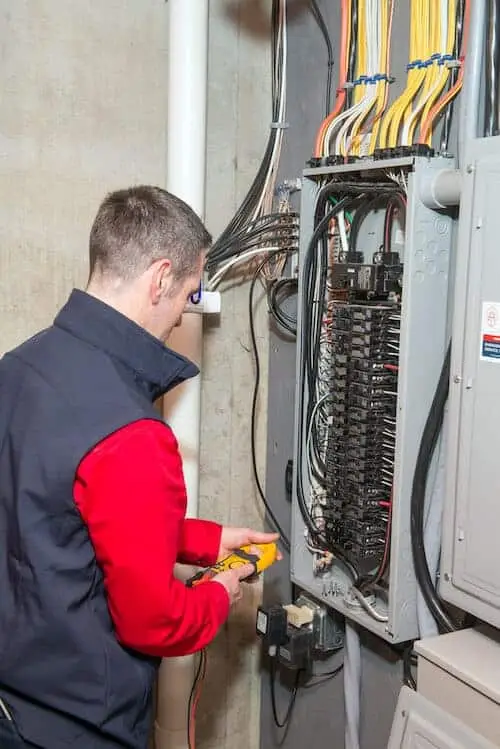
If your panel is full—or if it’s outdated—you may not have space for new circuits. Homes with 60-amp or 100-amp service often need to upgrade to a 200-amp panel before adding more electrical capacity.
You may need a panel upgrade if:
- You’ve run out of breaker slots
- Your home uses a fuse box
- Breakers trip frequently
- You’re planning multiple appliance upgrades
- You’re installing an EV charger or heat pump
Heritage Home Service can evaluate your panel and determine whether it can safely support new dedicated circuits.
Why Dedicated Circuits Must Be Installed by a Licensed Electrician
Dedicated circuits require proper wiring, grounding, breaker sizing, and compliance with the National Electrical Code. Improper installation can cause:
- Fire hazards
- Voided appliance warranties
- Failed home inspections
- Insurance issues
- Electrical shock risks
Heritage handles the entire process—from evaluation and permitting to installation and testing—so you can be confident your home is safe and functioning properly.
Why Homeowners Trust Heritage Home Service
Families throughout New Hampshire, Maine, and Massachusetts rely on Heritage Home Service for dependable, code-compliant electrical installations. Our licensed electricians understand the unique challenges of older New England homes and the demands of today’s modern appliances.
When you choose Heritage, you get:
- Same-day or next-day service whenever possible
- Clear communication and honest recommendations
- Professional, clean installations
- Long-term safety and reliability for your home
Plan on adding a new appliance? Call Heritage Home Service today to ensure your electrical system is ready.
Prepare Your Home for the Future With Proper Electrical Support
If your breakers are tripping, your lights are dimming, or you’re upgrading appliances, adding dedicated circuits may be the safest and most cost-effective solution. Heritage Home Service is here to help you make smart, long-lasting improvements that keep your home running reliably through every New England season.
For generations, families across our region have trusted Heritage for expert electrical, HVAC, and plumbing care. Schedule your electrical evaluation today and experience service built on integrity and tradition.

Financing Made Easy
When you choose Heritage, you can rest easy knowing that we provide straightforward options to help you budget for a complete solution that will last you for decades to come.
VIEW FINANCING OPTIONS
Complete Care Plan
With Complete Care, enjoy peace of mind knowing your home's plumbing, heating, cooling, and electrical needs are handled year after year—hassle-free, with added benefits.
VIEW PLAN