
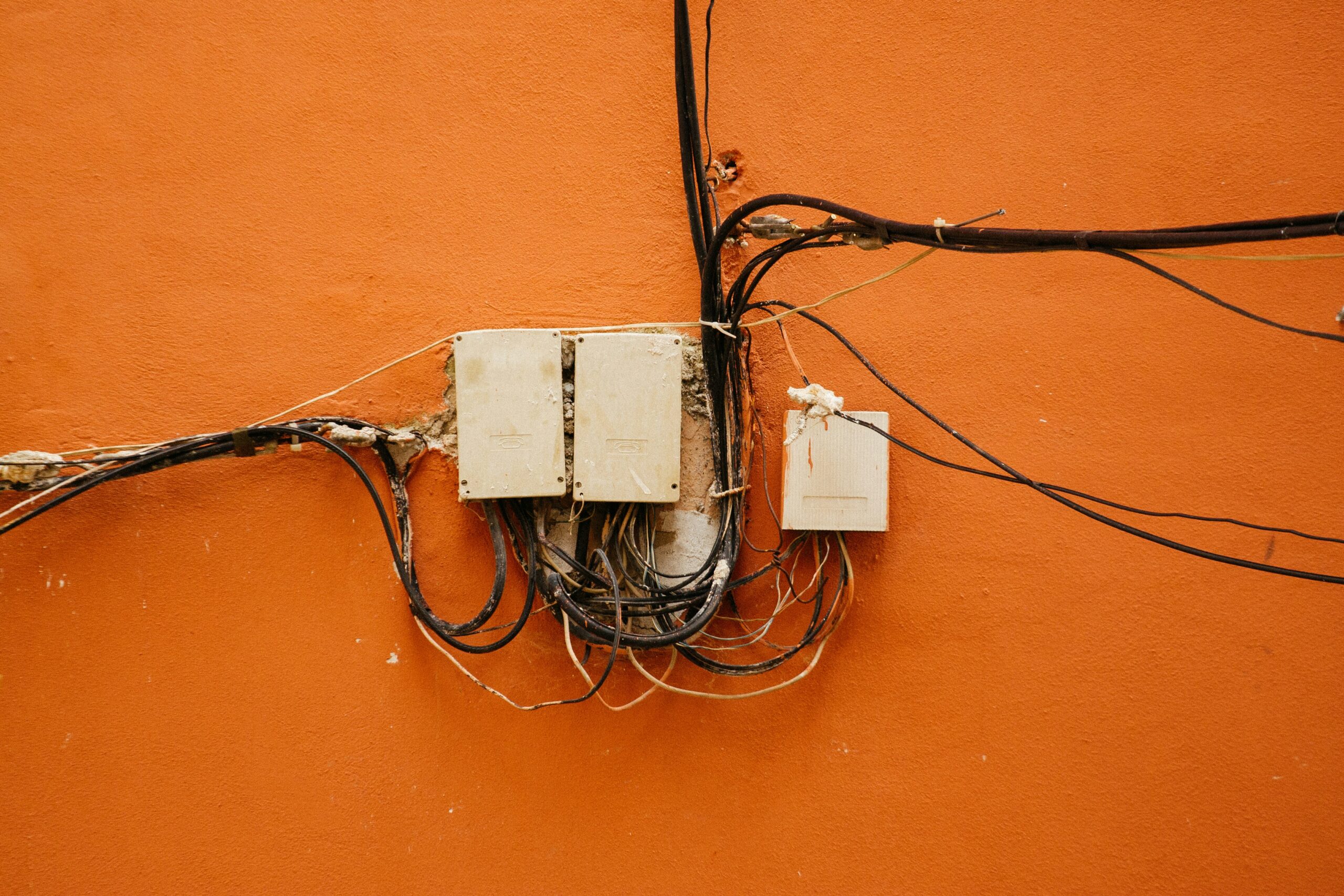
Does Your Home Need Rewiring? Safety Signs You Shouldn’t Ignore
Heritage Home Service is proud to serve homeowners across New Hampshire, Maine, and Massachusetts with trusted electrical solutions that put safety first. Many homes throughout Northern New England were built decades ago, long before today’s electrical demands became standard.
While older homes often have charm and character, their wiring systems may be quietly aging behind the walls. Knowing when a home needs rewiring — and recognizing the warning signs early — can help prevent serious safety hazards and costly emergencies.
Why Rewiring Is a Common Issue in New England Homes
Across New England, it’s common to find homes built in the 1940s, 1950s, or even earlier. At the time, electrical systems were designed for a very different lifestyle.
Older wiring was typically sized for:
- Minimal appliances
- Limited lighting
- No air conditioning
- No electric heating or vehicle charging
Today’s homes rely on far more electricity, placing stress on wiring that was never designed to handle modern loads.
What Does “Rewiring” Actually Mean?
Rewiring doesn’t always mean tearing open every wall in the house.
Depending on the home, rewiring may involve:
- Replacing outdated or unsafe wiring
- Adding grounded circuits
- Updating outlets and switches
- Improving circuit layout and capacity
- Correcting unsafe DIY modifications
In many cases, partial rewiring is enough to significantly improve safety and performance.
Common Warning Signs Your Home May Need Rewiring
Safety Issues Homeowners Should Never Ignore
Electrical problems often show warning signs long before a serious failure occurs. If you notice any of the following, it’s time to schedule a professional inspection.
- Frequent circuit breaker trips
- Flickering or dimming lights
- Burning or electrical odors
- Warm or discolored outlets
- Buzzing sounds from switches or walls
- Tingling sensations when touching outlets
These symptoms are especially concerning during winter heating season or summer cooling peaks.
Why Flickering Lights Can Signal a Bigger Problem
Occasional flickering caused by a storm or utility issue is usually harmless. Frequent or ongoing flickering, however, may indicate:
- Loose wiring connections
- Overloaded circuits
- Deteriorating insulation
- Improper grounding
Left unaddressed, these issues can escalate into serious safety risks.
Older Wiring Types That Raise Red Flags
Certain wiring types are more common in older New England homes — and some are no longer considered safe.
Wiring types that often require attention include:
- Knob-and-tube wiring
- Aluminum wiring
- Cloth-insulated wiring
- Ungrounded two-prong outlets
These systems may still function, but they often lack the safety features required for modern living.
Why Knob-and-Tube Wiring Is a Concern
Knob-and-tube wiring was common in homes built before the 1950s. While it was acceptable at the time, it poses several risks today.
Common concerns include:
- No grounding protection
- Brittle insulation
- Incompatibility with insulation upgrades
- Difficulty supporting modern electrical loads
Many insurance companies require knob-and-tube wiring to be replaced.
How Aluminum Wiring Can Become Dangerous Over Time
Some homes built in the 1960s and 1970s used aluminum wiring. Over time, aluminum can:
- Expand and contract more than copper
- Loosen at connections
- Increase resistance and heat
Without proper connections and upgrades, aluminum wiring can significantly increase fire risk.
Why Outdated Wiring Increases Fire Risk
Electrical fires often start out of sight — inside walls, ceilings, or junction boxes.
Outdated wiring increases fire risk due to:
- Overheating conductors
- Deteriorated insulation
- Loose or corroded connections
- Improper repairs or modifications
According to fire safety data, electrical failures remain a leading cause of residential fires.
How Modern Electrical Usage Accelerates Wiring Wear
Even wiring that functioned safely for decades can become dangerous under modern conditions.
Common stressors include:
- High-demand appliances
- Continuous HVAC operation
- EV chargers running overnight
- Power surges from storms
- Generator integration
As electrical demand increases, small wiring weaknesses become bigger problems.
What Happens During a Professional Electrical Inspection?
When Heritage Home Service inspects a home’s wiring, licensed electricians take a comprehensive, safety-first approach.
The inspection typically includes:
- Evaluating visible wiring and connections
- Testing circuits and load distribution
- Checking grounding and bonding
- Inspecting outlets, switches, and panels
- Identifying safety hazards and code issues
This process helps determine whether full or partial rewiring is needed.
Does Every Home Need a Full Rewire?
Not necessarily.
Many homes benefit from targeted improvements rather than full replacement. In some cases, upgrading specific circuits or areas — such as kitchens, bathrooms, or basements — is enough to resolve safety concerns.
A professional evaluation ensures recommendations are appropriate for the home, not excessive.
How Rewiring Improves Safety and Peace of Mind
Rewiring offers benefits that go far beyond code compliance.
Key advantages include:
- Reduced fire risk
- Improved electrical reliability
- Better appliance performance
- Safer outlet and switch operation
- Increased confidence in your home’s safety
For families, this peace of mind is invaluable.
How Rewiring Supports Modern Home Upgrades
Modern electrical systems make future upgrades easier and safer.
Rewiring supports:
- EV charger installation
- Heat pumps and mini-splits
- Smart home technology
- Home offices
- Backup generators
Without proper wiring, these upgrades may not be possible.
Will Rewiring Increase Home Value?
In many cases, yes.
Homes with updated electrical systems:
- Are more attractive to buyers
- Face fewer inspection issues
- Meet modern safety expectations
- Support energy-efficient upgrades
Across New Hampshire, Maine, and Massachusetts, buyers increasingly look for move-in-ready homes with modern infrastructure.
When Is the Best Time to Rewire?
The best time to address wiring issues is before problems become emergencies.
Ideal times include:
- During renovations or additions
- When upgrading electrical panels
- Before installing EV chargers or heat pumps
- If your home is over 40 years old
- When insurance or inspection issues arise
Planning ahead often reduces cost and disruption.
Why New England Homes Require Extra Attention
New England’s climate adds unique stress to electrical systems.
Factors include:
- Long heating seasons
- High summer humidity
- Coastal storms and power surges
- Older housing stock
From the White Mountains to the Boston North Shore and the Portland waterfront, electrical safety is critical year-round.
What Happens If Wiring Issues Are Ignored?
Delaying necessary electrical work can lead to:
- Emergency outages
- Appliance damage
- Increased fire risk
- Higher repair costs
- Insurance complications
Small issues rarely stay small when it comes to electrical systems.
How to Know When It’s Time to Call a Professional
If you’re unsure about your home’s wiring, that uncertainty alone is a reason to schedule an inspection.
Heritage Home Service helps homeowners across New Hampshire, Maine, and Massachusetts make informed decisions with honest assessments and dependable service.
Noticing warning signs or living in an older home? Call Heritage Home Service today to schedule trusted electrical service and protect your home and family.

Financing Made Easy
When you choose Heritage, you can rest easy knowing that we provide straightforward options to help you budget for a complete solution that will last you for decades to come.
VIEW FINANCING OPTIONS
Complete Care Plan
With Complete Care, enjoy peace of mind knowing your home's plumbing, heating, cooling, and electrical needs are handled year after year—hassle-free, with added benefits.
VIEW PLAN