
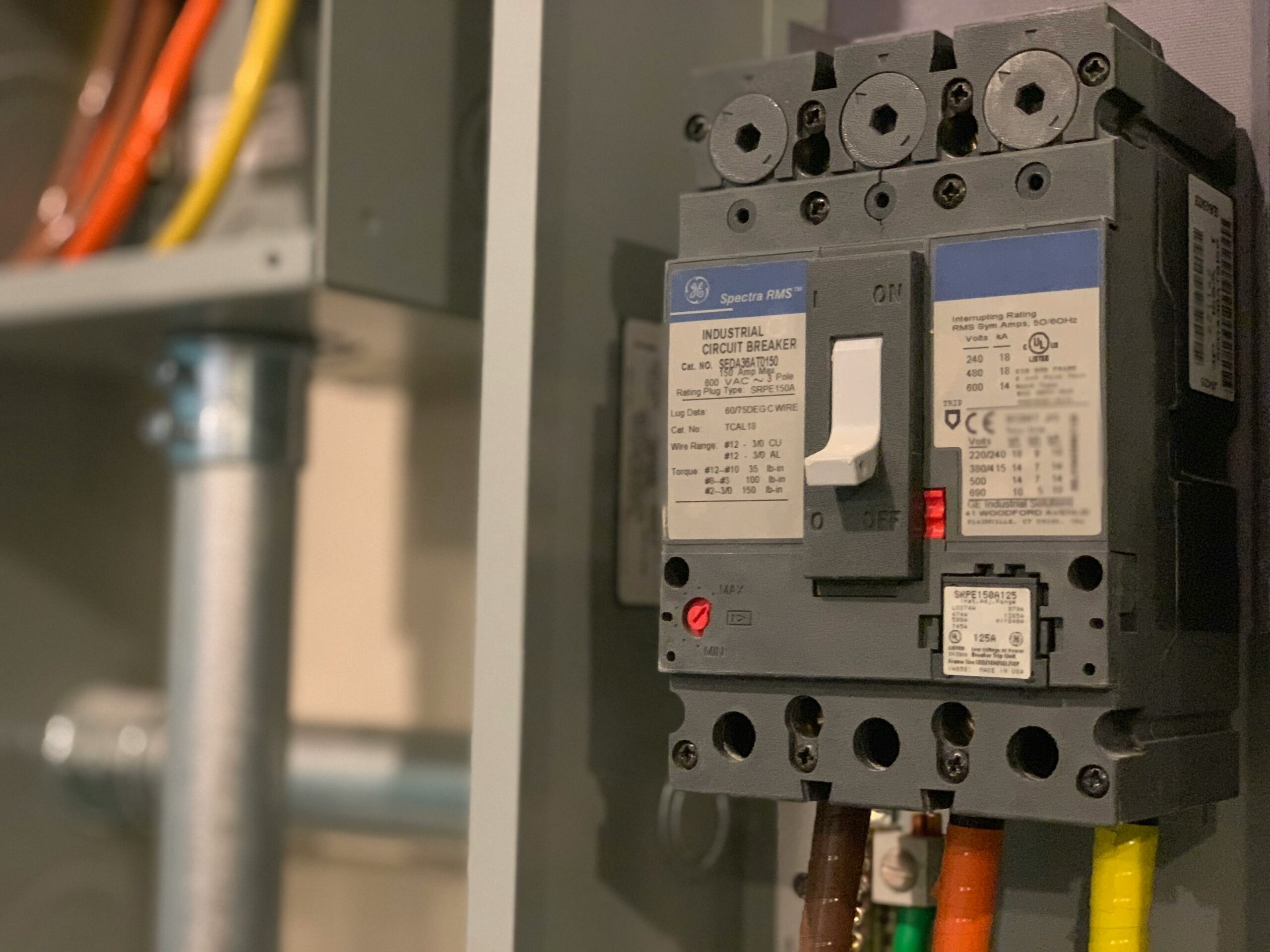
Storm Season Electrical Protection: Beyond the Basic Surge Strip
Heritage Home Service is proud to serve homeowners across New Hampshire, Maine, and Massachusetts who know just how unpredictable storm season can be. From coastal nor’easters along the Maine shoreline to fast-moving summer thunderstorms near the Boston North Shore, power disturbances are a fact of life in Northern New England.
Many homeowners rely on basic surge strips to protect their electronics, believing that’s enough. Unfortunately, when serious storms hit, those plug-in devices often fall short. Understanding how electrical surges work — and how to protect your entire home — can prevent expensive damage and dangerous situations.
What Causes Electrical Surges During Storm Season?
Electrical surges happen when voltage spikes suddenly move through your home’s wiring. Storms are one of the most common causes, but not the only one.
During storm season, surges are often triggered by:
- Lightning strikes, even miles away
- Utility grid switching during outages
- Downed or damaged power lines
- Power restoration after outages
- Generator startup and shutdown
- Heavy winds causing line contact
In New England, where storms frequently roll in along I-95, Route 1, and the Maine Turnpike, these conditions are common throughout the year.
Why Power Surges Are More Dangerous Than Most People Realize
Many surges don’t cause immediate failure. Instead, they slowly degrade electrical components over time.
Repeated minor surges can lead to:
- Shortened appliance lifespan
- Malfunctioning HVAC systems
- Damaged circuit boards
- Unexpected equipment failures
- Costly repair or replacement bills
By the time a system fails, homeowners rarely connect it back to surge activity.
Why Basic Surge Strips Aren’t Enough
The Limitations of Plug-In Protection
Surge strips are designed to protect small electronics plugged directly into them — nothing more.
They do not protect:
- Heating and cooling systems
- Refrigerators and freezers
- Water heaters
- Sump pumps
- Hardwired lighting
- Electrical panels or wiring
In many New England homes, the most expensive equipment is hardwired, leaving it completely exposed to surge damage.
What Is Whole-Home Surge Protection?
Whole-home surge protection is installed directly at your electrical panel, stopping dangerous voltage spikes before they travel through your home’s circuits.
Unlike surge strips, these systems:
- Protect every outlet and circuit
- Shield hardwired equipment
- Defend against both external and internal surges
- Reduce cumulative electrical wear
This type of protection is especially valuable in storm-prone areas of New Hampshire, Maine, and Massachusetts.
How Whole-Home Surge Protection Works
Simple Technology With Big Impact
Whole-home surge protectors act like a gatekeeper. When a surge enters your electrical system, the device safely redirects excess voltage away from your home’s wiring and into the ground.
This helps prevent:
- Overheating wires
- Circuit board damage
- Appliance failure
- Electrical fires
It’s a passive system that works automatically, without requiring homeowner intervention.
What Happens During a Professional Surge Protection Installation?
When Heritage Home Service installs whole-home surge protection, licensed electricians follow a careful process.
The installation typically includes:
- Inspecting the electrical panel
- Verifying proper grounding and bonding
- Installing the surge protection device
- Testing system functionality
- Confirming code compliance
Most installations can be completed in a single visit.
Homes That Benefit Most From Whole-Home Surge Protection
While surge protection is beneficial for every home, it’s especially important if your household has:
- Central air conditioning or heat pumps
- Ductless mini-split systems
- EV chargers
- Home offices or remote work setups
- Smart thermostats and controls
- Backup generators
In coastal Maine and along New England’s storm corridors, surge risks are elevated year-round.
How Generators Can Increase Surge Risk
Generators are incredibly valuable during outages, but they can also introduce surge risks if systems aren’t properly protected.
Common generator-related surge issues include:
- Voltage fluctuations during startup
- Improper transfer switching
- Power spikes during restoration
Whole-home surge protection adds an extra layer of safety for generator-equipped homes.
Why Storm Season Is the Worst Time to Discover You’re Unprotected
Storm-related surges often happen when systems are already under heavy demand — during heat waves, freezing temperatures, or prolonged outages.
During these times:
- HVAC systems run continuously
- Refrigeration is critical
- Sump pumps work overtime
- Lighting and outlets are heavily used
Losing equipment during these moments can create emergency situations, not just inconvenience.
Is Whole-Home Surge Protection Required by Code?
In many areas, surge protection is increasingly recommended or required for new construction and major electrical upgrades.
While older homes may not be required to have it, adding surge protection:
- Improves safety
- Reduces risk
- Brings systems closer to modern standards
It’s a small upgrade with significant protective value.
How Surge Protection Extends Appliance Lifespan
Even when appliances don’t fail immediately, electrical surges stress internal components.
Over time, this leads to:
- Reduced efficiency
- Increased repair frequency
- Shortened service life
Whole-home surge protection reduces this wear, helping systems perform better for longer — particularly expensive HVAC and electrical equipment.
Can Surge Protection Be Added to Older Homes?
Yes — and many older homes benefit the most.
Homes built before modern electrical standards often lack:
- Proper grounding
- Modern breaker protection
- Built-in surge suppression
A professional evaluation ensures the system is installed safely and effectively.
When Should Homeowners Schedule Surge Protection?
The best time is before storm season hits — not after damage occurs.
Ideal times include:
- Before installing a generator
- When upgrading an electrical panel
- Before storm season begins
- When replacing major appliances
- During home renovations
Proactive protection costs far less than replacing damaged systems.
Why New England Homes Face Unique Electrical Risks
New England’s climate creates a perfect storm for surge activity.
Factors include:
- Frequent coastal storms
- Heavy snowfall and ice buildup
- Wind-driven line damage
- Rapid weather changes
- Aging electrical infrastructure
From Portsmouth Harbor to the Portland waterfront, surge protection is an essential safeguard.
How to Know If Your Home Is Properly Protected
If you’re unsure whether your home has whole-home surge protection, chances are it doesn’t.
Most homeowners only discover the gap after experiencing damage. A professional inspection provides clarity and peace of mind.
When to Call a Professional Electrician
Surge protection must be installed correctly to be effective.
Heritage Home Service helps homeowners across New Hampshire, Maine, and Massachusetts protect their homes with trusted electrical solutions — backed by local experience and dependable service.
Protect your home before the next storm hits. Call Heritage Home Service today for fast, reliable electrical protection you can trust.

Financing Made Easy
When you choose Heritage, you can rest easy knowing that we provide straightforward options to help you budget for a complete solution that will last you for decades to come.
VIEW FINANCING OPTIONS
Complete Care Plan
With Complete Care, enjoy peace of mind knowing your home's plumbing, heating, cooling, and electrical needs are handled year after year—hassle-free, with added benefits.
VIEW PLAN