
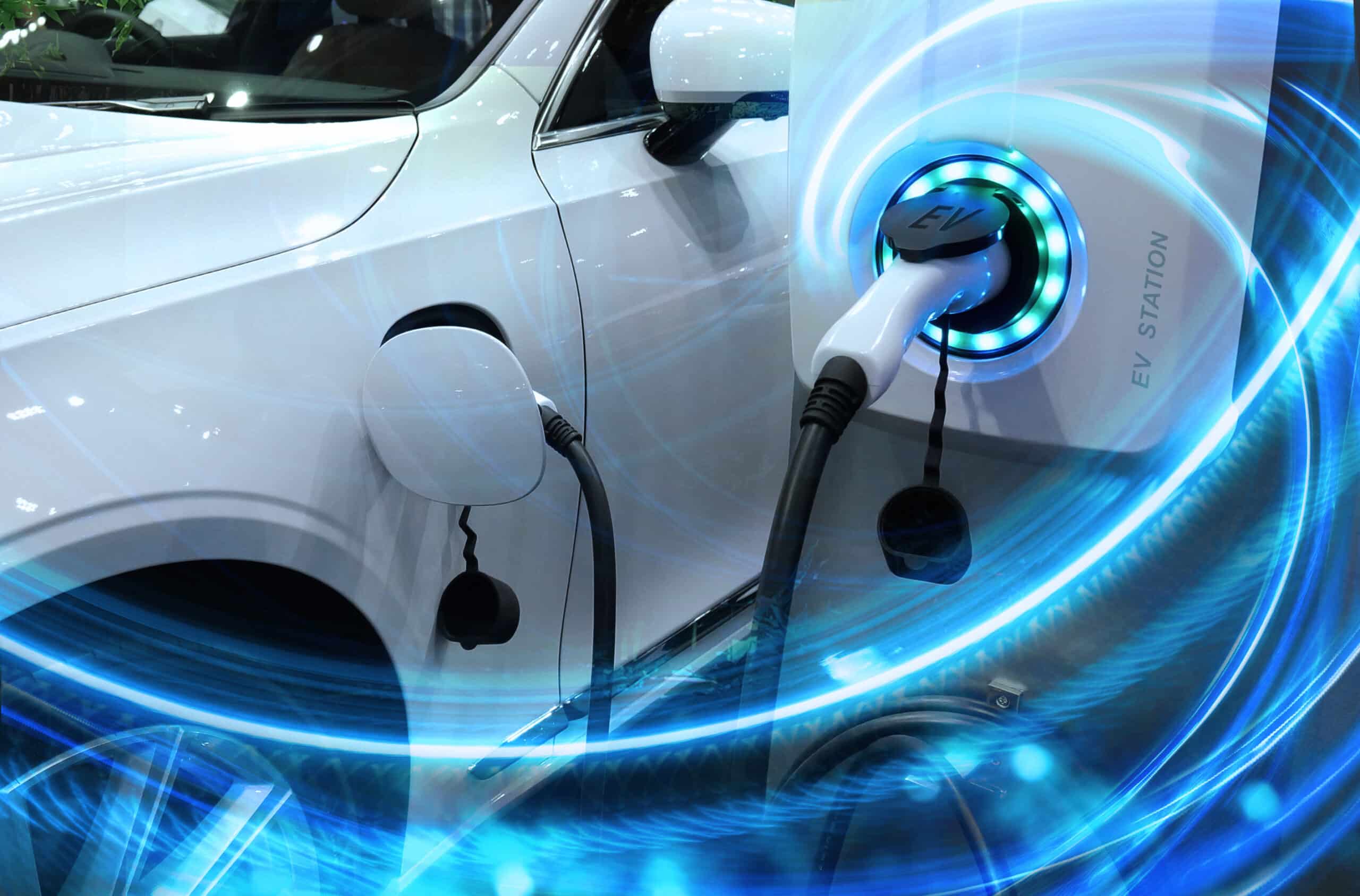
Electric vehicles are becoming more common across New Hampshire, Maine, and Massachusetts, and many homeowners are discovering that a home charging station is one of the most convenient upgrades they can make. Instead of waiting at a public charging station, you can plug in overnight and wake up with a full battery every morning—especially helpful during long New England winters and busy commutes along I-93, I-95, and the Maine Turnpike.
Heritage Home Service installs EV chargers throughout Northern New England and helps homeowners understand what’s required for safe, code-compliant installation. Whether you’re buying your first electric vehicle or upgrading from a Level 1 charger, this guide walks you through everything you need to know.
Why Install a Home EV Charger?
While every electric vehicle comes with a standard Level 1 charging cable, it uses a normal 120-volt outlet. That means charging can take more than a full day—sometimes up to 40 hours depending on the battery size.
A professionally installed Level 2 charger solves that problem.
Benefits of a Level 2 Home Charger
- Much faster charging: Most vehicles charge 4–10x faster than with a standard outlet.
- Convenience: Charge overnight without leaving your driveway.
- Lower operating costs: Many utilities in NH, ME, and MA offer lower nighttime rates.
- Better battery health: More consistent charging can extend the life of your EV battery.
- Supports future vehicles: A properly installed charger works with nearly any EV.
If you’re tired of slow charging or want full readiness each morning, call Heritage Home Service to discuss Level 2 charger options.
What You’ll Need for a Level 2 EV Charger
A Level 2 charger requires a dedicated 240-volt circuit—similar to what’s used for an electric dryer or stove. Because of this, most homes need an electrical panel evaluation before installation.
Key requirements include:
- A 240-volt dedicated circuit
- A 40–60 amp breaker (depending on the charger model)
- Sufficient space in your electrical panel
- Proper wiring and grounding
- A safe installation location (garage, driveway, or exterior wall)
Homes with older electrical panels—common across New England—may need an upgrade before installing an EV charger.
Does Your Electrical Panel Need an Upgrade?
Many homes in Massachusetts, New Hampshire, and coastal Maine were built long before EVs existed. As a result, 60-amp or 100-amp service may not support a new charger alongside HVAC equipment, kitchen appliances, and home electronics.
You may need a panel upgrade if:
- Your panel is full and cannot accept a new circuit
- Your home has a fuse box
- Your breakers trip when multiple appliances run
- You plan to install heat pumps, a hot tub, or other high-demand equipment
- Your wiring is outdated or ungrounded
A modern 200-amp panel provides enough capacity for both current needs and future electrical upgrades.
Heritage can evaluate your home’s electrical system and recommend the safest installation path.
Indoor vs. Outdoor Charger Installation
Depending on your home’s layout, your charger can be installed indoors (typically in a garage) or outdoors.
Indoor Installations
- Protects equipment from the harsh New England weather
- Often easiest for wiring access
- Ideal if you park in a garage regularly
Outdoor Installations
- Weather-rated chargers can withstand winter storms and summer humidity
- Convenient for homeowners without garages
- Often installed on an exterior wall near your driveway
Both options are completely safe when installed by a licensed electrician. Heritage will help you choose the location that fits your home’s structure and your daily routine.
Understanding EV Charger Specs and Options
EV chargers differ in speed, design, and features. Knowing what to look for can help you choose the right one.
Charging Speed
Charging speed depends on amperage:
- 40-amp chargers: Great for everyday commuting
- 48-amp chargers: Faster charging and common for newer vehicles
- 60-amp+ chargers: Provide the highest speeds but require more panel capacity
Cord Length
Longer cords offer flexibility, especially in multi-car driveways or tight garages.
Smart Features
Many chargers connect to Wi-Fi or Bluetooth, letting you:
- Monitor charging
- Schedule off-peak charging
- Track costs
- Receive alerts
Brand Compatibility
Most chargers work with all EVs, but Tesla requires an adapter unless you install a Tesla-specific unit.
If you’re unsure which charger to choose, Heritage can walk you through the best options for your vehicle.
Permits and Electrical Code Requirements
EV charger installations must follow the National Electrical Code (NEC) along with local requirements in NH, MA, and ME. Towns across New England often require:
- Electrical permits
- Inspection after installation
- Proof of licensed installation for homeowner insurance
DIY EV charger installation is strongly discouraged. Mistakes can lead to overheating, fire hazards, or long-term electrical damage.
Heritage Home Service handles all permitting and paperwork so your installation is smooth, safe, and compliant.
How Long Does Installation Take?
For many homes, installation takes just a few hours. More complex upgrades—such as panel replacements—may take longer. Most homeowners schedule installation alongside other electrical work or HVAC improvements for added convenience.
During the appointment, Heritage will:
- Inspect your electrical panel and wiring
- Recommend the best location for the charger
- Install or upgrade the dedicated circuit
- Mount and connect the charger
- Test the system for safety and performance
If you’d like to schedule an EV charger evaluation, call Heritage Home Service today.
Cost of Installing an EV Charger
Pricing varies based on your home’s electrical setup and whether panel upgrades are needed. Factors that affect cost include:
- Circuit length and installation difficulty
- Charger model (smart chargers cost more)
- Electrical panel capacity
- Permit requirements in your local town
- Indoor vs. outdoor mounting
While the upfront cost may feel significant, EV chargers often pay for themselves through:
- Lower charging costs compared to public stations
- Improved battery life
- Increased home value
- Daily convenience
Many utility companies also offer rebates or incentives for EV charger installations—especially in Massachusetts and Maine.
Protecting Your EV Charger With Surge Protection
EV chargers contain sensitive electronics similar to HVAC systems and smart home devices. New England’s stormy weather, older panels, and frequent power fluctuations make surge protection a smart investment.
Whole-home surge protection helps defend:
- The charger
- Your vehicle’s onboard electronics
- Other appliances connected to the same panel
Heritage can bundle surge protection with your charger installation for long-term peace of mind.
Why Homeowners Trust Heritage Home Service
Families across New England rely on Heritage because we’ve spent generations serving local communities with dependable electrical, plumbing, and HVAC care. Our team provides:
- Licensed, code-compliant EV charger installations
- Clear guidance without technical confusion
- Same-day and next-day scheduling whenever possible
- Upfront recommendations for panel upgrades and surge protection
From Portland to Laconia to the North Shore, we understand the unique challenges of older homes and harsh weather—and we make upgrade projects simple from start to finish.
Ready to Install an EV Charger? Let Heritage Help.
Whether you’re switching to an EV for the first time or upgrading your home’s infrastructure, Heritage Home Service is here to make the process easy, safe, and reliable.
Need help choosing the right EV charger? Call Heritage Home Service today for expert recommendations and installation.
For generations, families across New Hampshire, Maine, and Massachusetts have counted on Heritage Home Service for trustworthy care. Schedule your EV charger installation today and enjoy the convenience of fast, dependable home charging.

Financing Made Easy
When you choose Heritage, you can rest easy knowing that we provide straightforward options to help you budget for a complete solution that will last you for decades to come.
VIEW FINANCING OPTIONS
Complete Care Plan
With Complete Care, enjoy peace of mind knowing your home's plumbing, heating, cooling, and electrical needs are handled year after year—hassle-free, with added benefits.
VIEW PLAN