
If you’ve ever dealt with a flooded basement or water creeping into your home after heavy rain, you know just how quickly water damage can become a serious (and expensive) problem. That’s where a sump pump comes in — one of the most important yet often overlooked systems in your home.
What Is a Sump Pump?
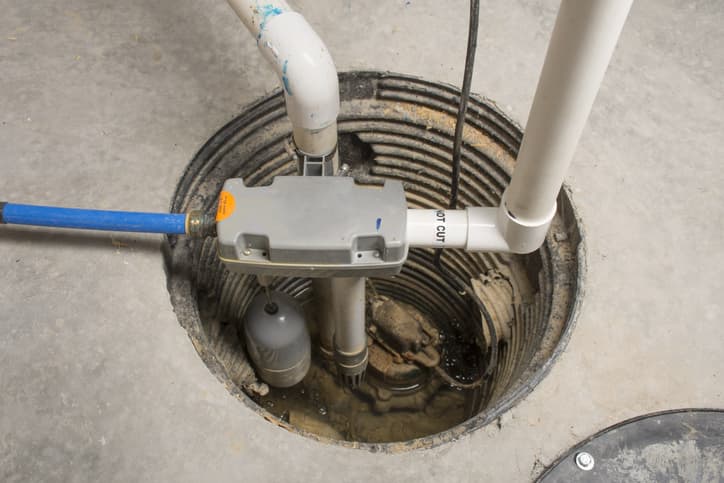
A sump pump is a device installed in the lowest part of your basement or crawl space, typically inside a pit (called a sump basin). Its job is simple but critical: to remove excess water and direct it safely away from your home.
When groundwater rises — whether from heavy rain, melting snow, or a high water table — water flows into the sump pit. Once it reaches a certain level, the pump automatically activates and pushes that water away from your foundation through a discharge pipe.
Why Is a Sump Pump Important?
1. Prevents Basement Flooding
The primary role of a sump pump is to protect your basement from flooding. Even a small amount of water can cause significant damage to flooring, walls, and personal belongings.
2. Protects Your Home’s Foundation
Water pooling around your home can weaken the foundation over time. A sump pump helps reduce hydrostatic pressure, preventing cracks and structural issues.
3. Reduces Mold and Mildew
Excess moisture creates the perfect environment for mold growth. By keeping your basement dry, a sump pump helps improve indoor air quality and protects your family’s health.
4. Safeguards Your Investment
Your home is one of your biggest investments. A properly functioning sump pump helps avoid costly water damage repairs and preserves your property value.
5. Peace of Mind During Storms
New England weather can be unpredictable. With a reliable sump pump in place, you won’t have to worry every time a heavy storm rolls in.
Signs You May Need a Sump Pump
Not sure if your home could benefit from one? Here are some common warning signs:
- Frequent dampness or water in your basement
- Musty odors or visible mold growth
- Cracks in your foundation
- Your home sits in a low-lying or flood-prone area
- Previous history of basement flooding
Types of Sump Pumps
There are a few different types of sump pumps homeowners should know about:
- Submersible Sump Pumps – Installed inside the pit and designed for quieter, more efficient operation
- Pedestal Sump Pumps – Motor sits above the pit for easier access and maintenance
- Battery Backup Systems – Keeps your pump running during power outages (critical during storms)
Don’t Wait Until It’s Too Late
Many homeowners don’t think about sump pumps until after they’ve experienced water damage — and by then, the cost and stress can be significant.
At Heritage Home Service, we help homeowners stay ahead of problems with professional sump pump installation, maintenance, and replacement. Whether you’re looking to protect your home proactively or upgrade an existing system, our team is here to help.
Protect Your Home Today
A sump pump isn’t just another piece of equipment — it’s your home’s first line of defense against water damage. Investing in the right system now can save you thousands down the road.
If you’re unsure about your current setup or want expert guidance, reach out to Heritage Home Service today and make sure your home stays dry — no matter what the weather brings.

Financing Made Easy
When you choose Heritage, you can rest easy knowing that we provide straightforward options to help you budget for a complete solution that will last you for decades to come.
VIEW FINANCING OPTIONS
Complete Care Plan
With Complete Care, enjoy peace of mind knowing your home's plumbing, heating, cooling, and electrical needs are handled year after year—hassle-free, with added benefits.
VIEW PLAN