
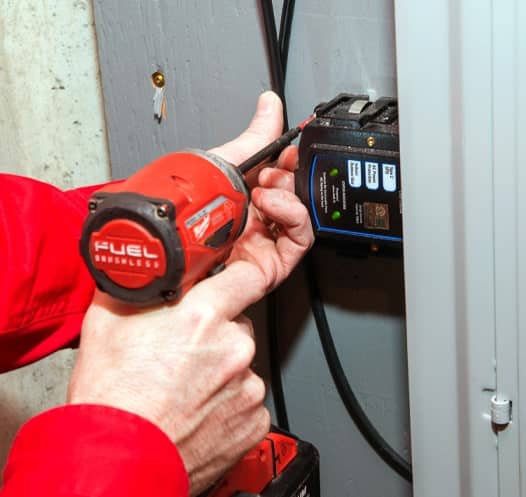
Electrical outlets are something most homeowners rarely think about—until something goes wrong. Yet behind the walls of thousands of homes across New Hampshire, Maine, and Massachusetts are older outlets and aging wiring that may not provide the protection modern families need. Two of the most important safety devices in any home are GFCI outlets and AFCI outlets, and many homes—especially those built before the 1990s—are missing one or both.
Heritage Home Service helps families throughout Northern New England stay safe by identifying electrical hazards before they turn into emergencies. If you’ve ever wondered what these outlets do, why they’re required, or whether your home has the right protection, this guide breaks down everything you need to know.
What Is a GFCI Outlet?
A GFCI (Ground Fault Circuit Interrupter) outlet protects you from electrical shock. It constantly monitors the flow of electricity and shuts off power instantly if it detects electricity traveling somewhere it shouldn’t—like water, a wet surface, or a person.
GFCIs are required in:
- Kitchens
- Bathrooms
- Laundry rooms
- Unfinished basements
- Garages
- Outdoor outlets
- Anywhere near sinks or water sources
Given New England’s humidity, coastal moisture, and snowmelt, GFCI outlets are essential for safety in Northern New England homes.
If you’re unsure whether your outlets are properly protected, call Heritage Home Service for a professional outlet inspection.
How GFCI Outlets Protect Your Home
GFCIs prevent electrical shock in high-risk areas by cutting power within milliseconds. They include a “Test” and “Reset” button so you can verify they’re working properly. Testing once a month helps ensure long-term reliability.
Any area in your home where water and electricity might meet should have GFCI protection. If your kitchen, bathroom, or outdoor outlets do not have these “Test” and “Reset” buttons, they likely need to be upgraded.
What Is an AFCI Outlet?
An AFCI (Arc Fault Circuit Interrupter) protects your home from electrical fires. Instead of monitoring for shock hazards, it detects arcing—small sparks caused by damaged wires, loose connections, or aging insulation behind walls.
Arcing can occur when:
- Wiring is damaged by rodents
- Cords are pinched behind furniture
- Outlets are worn or loose
- Older wiring insulation becomes brittle
- Power strips or extension cords overload
- Connections degrade inside walls
New England’s older homes, especially throughout Massachusetts and Maine, are more likely to have outdated wiring where arc faults can happen unseen.
AFCIs shut down the circuit before these sparks can ignite surrounding materials such as wood framing or insulation.
Why Modern Homes Need Both GFCI and AFCI Protection
GFCI and AFCI outlets perform two completely different jobs, and together they help protect your home from the two biggest electrical hazards: shock and fire. While GFCIs detect dangerous contact with moisture, AFCIs detect hidden wiring issues that could start a fire inside your walls. Modern electrical codes now require both types of protection in many parts of the home because each plays a role the other cannot.
GFCIs protect against:
- Electrical shock
- Moisture-related hazards
- Issues near sinks, tubs, and outdoor areas
AFCIs protect against:
- Electrical fires
- Hidden wiring damage
- Dangerous sparks or arcing behind walls
Many homeowners benefit from dual-function devices that combine GFCI and AFCI protection into one outlet or breaker—ideal during renovations or upgrades.
If you’re planning any electrical updates, Heritage can help determine which type of protection your home needs in each area.
Signs Your Home May Not Have the Right Outlet Protection
Many homes throughout New Hampshire, Maine, and Massachusetts still rely on outdated outlets that don’t meet today’s safety standards. Here are some signs that your home may need an upgrade:
1. Your Home Was Built Before the 1990s
Homes built before GFCI and AFCI requirements often lack modern safety outlets altogether.
2. Outlets Near Water Lack “Test” and “Reset” Buttons
This is a clear sign GFCIs are missing.
3. Breakers Trip Frequently
Arcing or ground faults could be happening behind walls.
4. You Hear Buzzing or Feel Warm Outlets
These are signs of loose wiring or failing connections.
5. Lights Flicker When Appliances Turn On
This may indicate wiring strain or unsafe electrical loads.
If any of these issues sound familiar, schedule an electrical safety inspection with Heritage Home Service.
Why Electrical Code Requires GFCIs and AFCIs
The National Electrical Code updates every three years, and New Hampshire, Maine, and Massachusetts all follow these standards. Modern code requires GFCIs and AFCIs in many areas, especially during:
- Renovations
- Kitchen or bathroom remodels
- Electrical panel upgrades
- Adding new outlets or circuits
- Installing new appliances
Even if your home is not undergoing renovations, upgrading outlets helps bring older wiring closer to today’s safety expectations and reduces risk.
Do GFCIs and AFCIs Work in Older Homes?
Yes—when installed correctly. Many New England homes have older wiring systems, such as:
- Knob-and-tube wiring
- Ungrounded two-prong outlets
- Aluminum wiring
- Outdated fuse boxes
- Limited electrical panel capacity
These systems may require additional updates before installing modern safety outlets. Heritage Home Service routinely works in older homes—from historic properties near Portsmouth to seasonal cottages in Maine—and ensures every upgrade is done safely and to code.
Why Professional Installation Matters
Installing GFCI and AFCI outlets may seem straightforward, but wiring them incorrectly can eliminate their protection altogether. A licensed electrician ensures:
- Circuits are wired correctly
- Breakers and outlets are properly matched
- Outlets are grounded
- Local codes are followed
- The entire circuit—not just the outlet—is protected
DIY installation is not recommended, especially in homes with older wiring where conditions behind the walls may be unknown.
Need help protecting your home? Call Heritage Home Service for safe, professional outlet upgrades.
Pair GFCI and AFCI Protection With Surge Protection
While GFCIs and AFCIs protect against shock and fire, they do not stop voltage spikes. Whole-home surge protection helps defend:
- HVAC systems
- Refrigerators and freezers
- Smart home devices
- Lighting and outlets
- Computers and TVs
- EV chargers
For complete electrical safety, Heritage often recommends combining GFCI, AFCI, and whole-home surge protection—especially in areas prone to storms and power fluctuations.
Why Homeowners Trust Heritage Home Service
For generations, families across New England have turned to Heritage Home Service for dependable electrical work and honest guidance. Our team understands the unique challenges of older homes, harsh weather conditions, and evolving electrical codes.
Homeowners trust Heritage because we offer:
- Licensed, experienced electricians
- Same-day service whenever possible
- Clear recommendations without pressure
- Clean, code-compliant installations
- Long-term safety and reliability
Wondering whether your outlets provide enough protection? Call Heritage Home Service today to schedule an outlet safety evaluation.
Stay Safe With Proper Outlet Protection
Electrical safety isn’t always visible—but GFCIs and AFCIs play a major role in protecting your home and family. Whether you’re living in a historic coastal home, a mid-century property, or a recently built residence, upgrading to modern safety outlets is one of the smartest electrical improvements you can make.
Families throughout New Hampshire, Maine, and Massachusetts have relied on Heritage Home Service for trusted electrical care built on integrity and tradition. Schedule your outlet inspection today and enjoy the peace of mind that comes with a safer, better-protected home.

Financing Made Easy
When you choose Heritage, you can rest easy knowing that we provide straightforward options to help you budget for a complete solution that will last you for decades to come.
VIEW FINANCING OPTIONS
Complete Care Plan
With Complete Care, enjoy peace of mind knowing your home's plumbing, heating, cooling, and electrical needs are handled year after year—hassle-free, with added benefits.
VIEW PLAN