
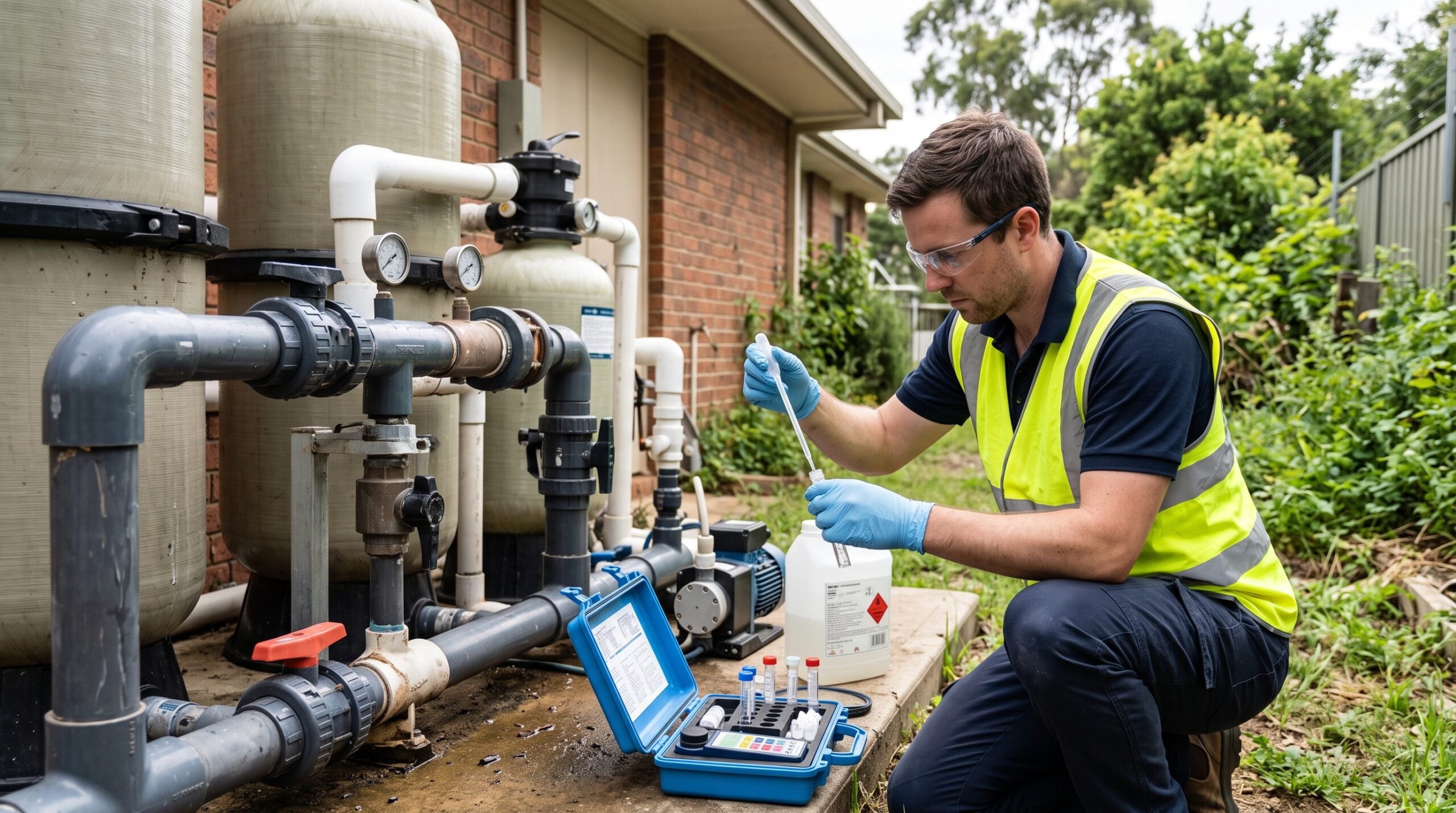
Water Quality Testing & Treatment in Massachusetts
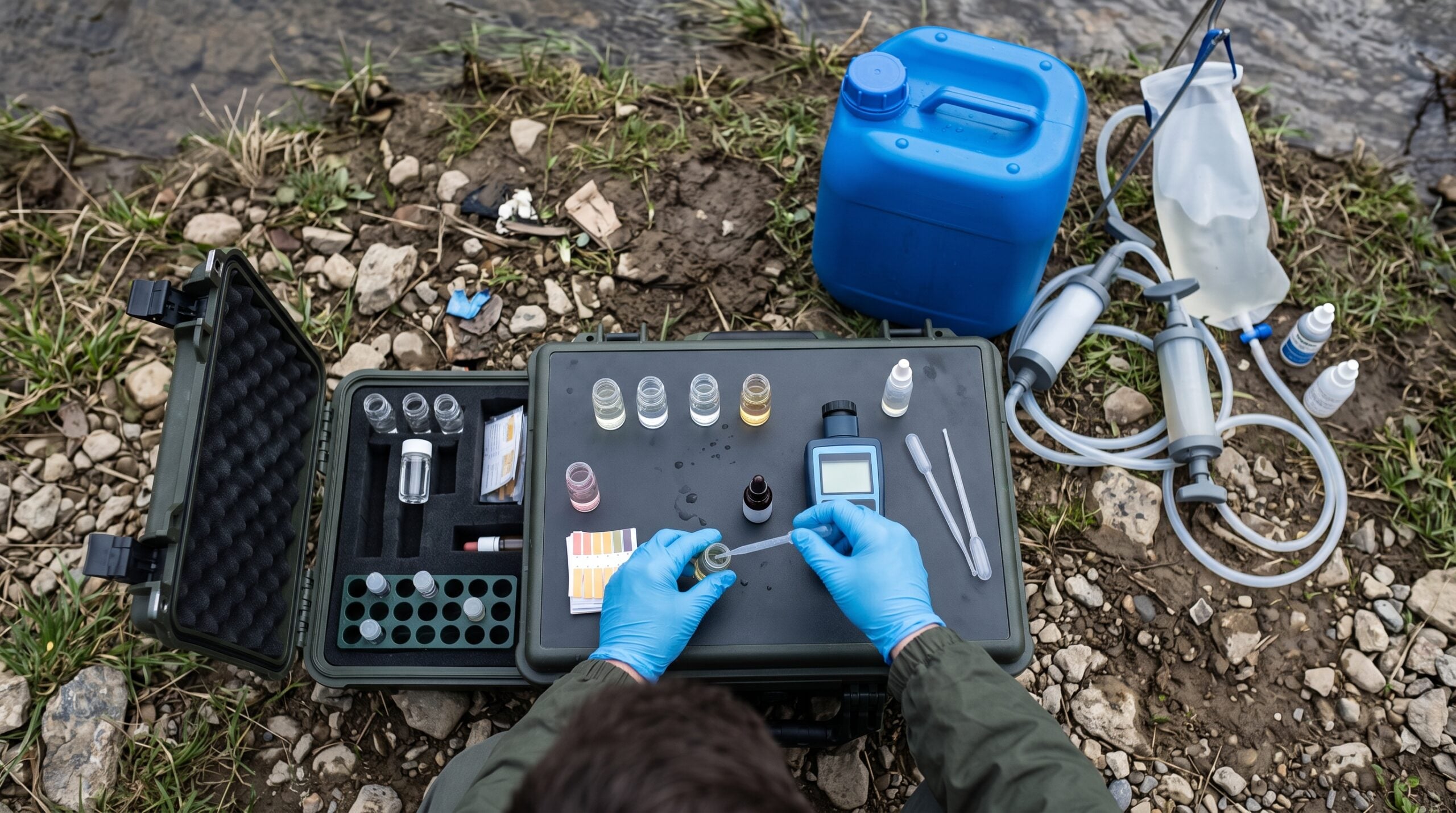
Heritage Home Service is proud to help Massachusetts homeowners understand what’s actually in their water — and do something about it. Whether you’re on a private well, municipal water, or somewhere in between, water quality across New England varies more than most homeowners realize, and the right treatment depends on knowing exactly what you’re dealing with.
Why Water Quality Looks Different Across Massachusetts
Massachusetts sits on a mix of granite bedrock, glacial soil, and older municipal infrastructure, and each of these shapes what ends up in your water:
- Hard water is common throughout much of New England, caused by mineral-rich groundwater passing through granite and limestone deposits
- Private wells, especially in more rural parts of the state, can carry naturally occurring iron, manganese, or radon, along with risks from nearby agricultural or septic runoff
- Older homes and municipal systems in many Massachusetts towns still have legacy lead service lines or aging plumbing that can affect water quality at the tap
- Seasonal runoff, particularly after spring snowmelt or heavy fall rain, can temporarily affect both well water clarity and municipal source water
- Coastal and low-lying areas can see higher mineral content or saltwater intrusion affecting nearby wells
Because water quality issues in Massachusetts can come from the ground, the pipes, or the treatment system itself, testing is the only way to know what’s actually going on in your home.
What Homeowners Need to Know About Water Quality Testing
A proper water quality assessment goes beyond a quick taste test. Our process typically includes:
- Collecting water samples from your kitchen tap and, if relevant, directly from your well or main line
- Testing for hardness, measuring mineral content that affects everything from soap performance to appliance lifespan
- Checking for iron, manganese, and sediment, common in well water throughout New England
- Testing pH levels, which affect both taste and how water interacts with your plumbing
- Screening for contaminants such as lead, bacteria, or nitrates, especially important for well water or older homes
- Reviewing your results together, so you understand what they mean and what, if anything, needs to change
Common Water Quality Problems in Massachusetts Homes
Depending on your water source, homeowners in the area typically deal with:
- Hard water, causing scale buildup on fixtures, appliances, and water heaters
- Rusty or discolored water, often from iron or aging pipes
- A metallic or sulfur-like smell or taste, sometimes from well water or an aging water heater
- Cloudy water, which can indicate sediment or air in the lines
- Low water pressure, sometimes caused by mineral buildup inside older pipes
- Concerns about lead, particularly in homes built before the 1980s with original plumbing
Causes and Effects: How Water Quality Issues Show Up at Home
| Cause | Effect on Your Home |
| Hard water from mineral-rich groundwater | Scale buildup, reduced appliance lifespan, spotty dishes and glassware |
| Well water with high iron content | Rust-colored staining on fixtures, laundry, and sinks |
| Aging pipes or legacy lead service lines | Potential lead exposure, especially in homes built before the 1980s |
| Seasonal runoff affecting well water | Temporary cloudiness, sediment, or changes in taste |
| Low pH or acidic water | Corrosion of pipes and fixtures over time |
A Homeowner Scenario: Well Water Testing in North Hampton
A homeowner in North Hampton noticed their dishwasher and water heater were both showing heavy scale buildup years earlier than expected, along with a persistent metallic taste from the tap. A water quality test confirmed both high hardness and elevated iron levels typical of well water in the area. With a whole-home softening and filtration system in place, the scale buildup stopped, appliance performance improved, and the water tasted noticeably better.
Water Treatment Solutions We Offer
Once we know what’s actually in your water, Heritage Home Service can recommend the right solution:
- Water softeners to address hardness and reduce scale buildup on fixtures and appliances
- Whole-home filtration systems to address sediment, chlorine taste, or general water clarity
- Iron and manganese filtration, common for well water throughout New England
- Reverse osmosis systems for drinking water free of dissolved contaminants
- UV disinfection systems for well water with bacterial concerns
How to Know When You Need Professional Water Testing
Consider scheduling a water quality test if:
- You’re on a private well and haven’t tested your water in the past year
- You notice staining, scale buildup, or unusual taste or odor
- You’ve moved into an older home and want to rule out lead or aging pipe concerns
- Your appliances are showing signs of premature wear
- You’re considering a water softener or filtration system but aren’t sure what your water actually needs
Water Quality
FAQs
-
How often should well water be tested in Massachusetts?
Most well owners should test annually for common contaminants, with additional testing after any noticeable change in taste, color, or smell.
-
Does municipal water in Massachusetts need to be tested too?
While municipal water is treated and monitored, in-home factors like aging pipes, hardness, or fixture-level issues can still affect water quality at the tap.
-
Can hard water actually damage my plumbing and appliances?
Yes. Over time, mineral buildup from hard water can reduce the lifespan of water heaters, dishwashers, and washing machines, and can restrict flow in pipes.
-
What’s the difference between a water softener and a water filter?
A softener specifically addresses mineral hardness, while filtration systems target sediment, chlorine taste, or specific contaminants like iron or lead. Many homes benefit from both.
Schedule Your Water Quality Test Today
For generations, families across New England have counted on Heritage Home Service for trustworthy, expert care. Whether you’re on well water or municipal service, call Heritage Home Service today to schedule a water quality test and find out exactly what’s in your water.


Financing Made Easy
When you choose Heritage, you can rest easy knowing that we provide straightforward options to help you budget for a complete solution that will last you for decades to come.
VIEW FINANCING OPTIONS

Home Advantage Membership
With Home Advantage Membership, enjoy peace of mind knowing your home’s plumbing, heating, cooling, and electrical needs are handled year after year—hassle-free, with added benefits.
VIEW MEMBERSHIP
What Our Customers Are Saying
Zach did an amazing job on maintaining our HVA system.. It was a pleasure to have him at our home working as a technician. We were very impressed how clean it came out
Show More
Ellen Noon
Installed new bathroom fan. Tyler was very knowledgeable, professional, and efficient. Took time to explain installation and show me photos. Cleaned up after installation. Great communication from Heritage and Tyler.
Show More
Ellen Stanford
Angel was very thorough in describing the work he performed and noting that our system could use additional cleaning to ensure its longevity. I appreciated his knowledge and patience.
Show More
Douglas Cote
Nicholas provided exceptional service and was very thorough. He also answered questions I had and was very knowledgeable. Thank you
Show More
Gloria Hallett
Tech was great! $1140 seems a little steep for two shut off replacements and a faucet install 1.5hrs total labor…but I guess you get what you pay for, and Zach was great.
Show More
Brady Patterson
He was very efficient and detailed. He explained exactly what was done and what was going on with my furnace. Very personable and professional. I would recommend Heritage Home Services.
Show More
paula garabedian
John came out to fix a faulty dryer outlet and did a great job. He clearly knows his work. He found the problem quickly and fixed it right the first time. What I appreciated most was how well he explained everything: what caused the issue, how he fixed it, and what to watch for going forward. He answered all my questions patiently and never made me feel rushed. The price was a bit on the higher side, but the quality of the work and the peace of mind made it worth it. I’d definitely call him again and recommend him to anyone needing electrical work.
Show More
Tony Loyd
Kyle and his team were great. The communication before and during the service were fantastic. Very knowledgeable. Also worked cleanly and efficiently. Would use him and his team again.
Show More
Bill Curry
I had a wonderful experience with Heritage Plumbing Company, especially with Chris, the technician who serviced our heating system today. He arrived on time, communicated throughout the process, and did an excellent job. He was professional, knowledgeable, and made sure everything was taken care of. My tenants are very pleased with the service, and so am I! It’s such a relief to work with someone who is reliable, courteous, and takes pride in their work. Thank you, Chris, for the excellent service. Highly recommend!
Show More
Rossy Concepcion
The guys were great. Corey went thru all steps they were taking and took the time to answer questions. I felt comfortable they knew what they were doing. Great job
Show More
Nicole Martin
Schedule a comprehensive service near you!
Whether you need routine maintenance, repair, or new installation – we have you covered.