
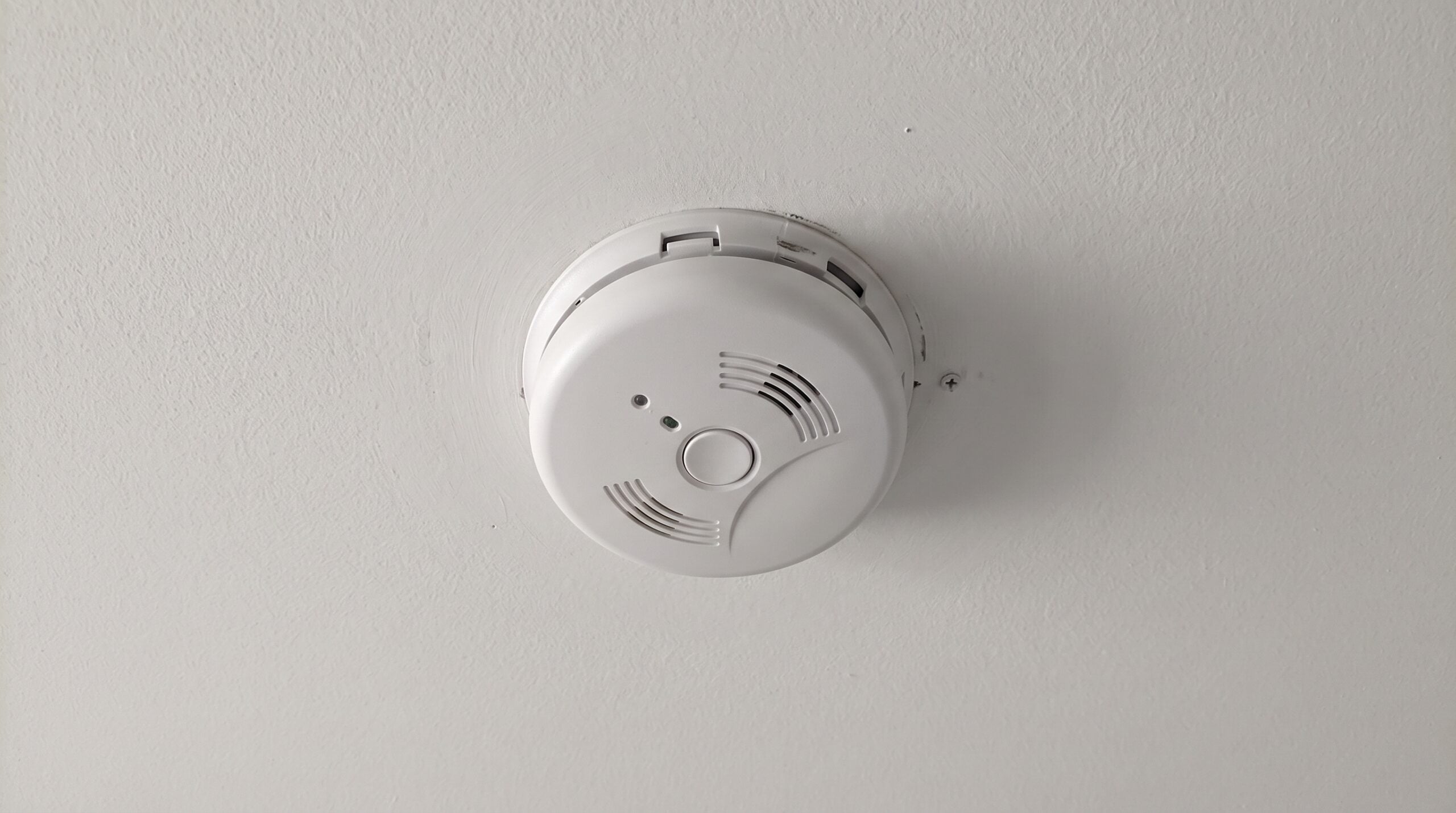
Smoke & Carbon Monoxide Detector Installation in Massachusetts
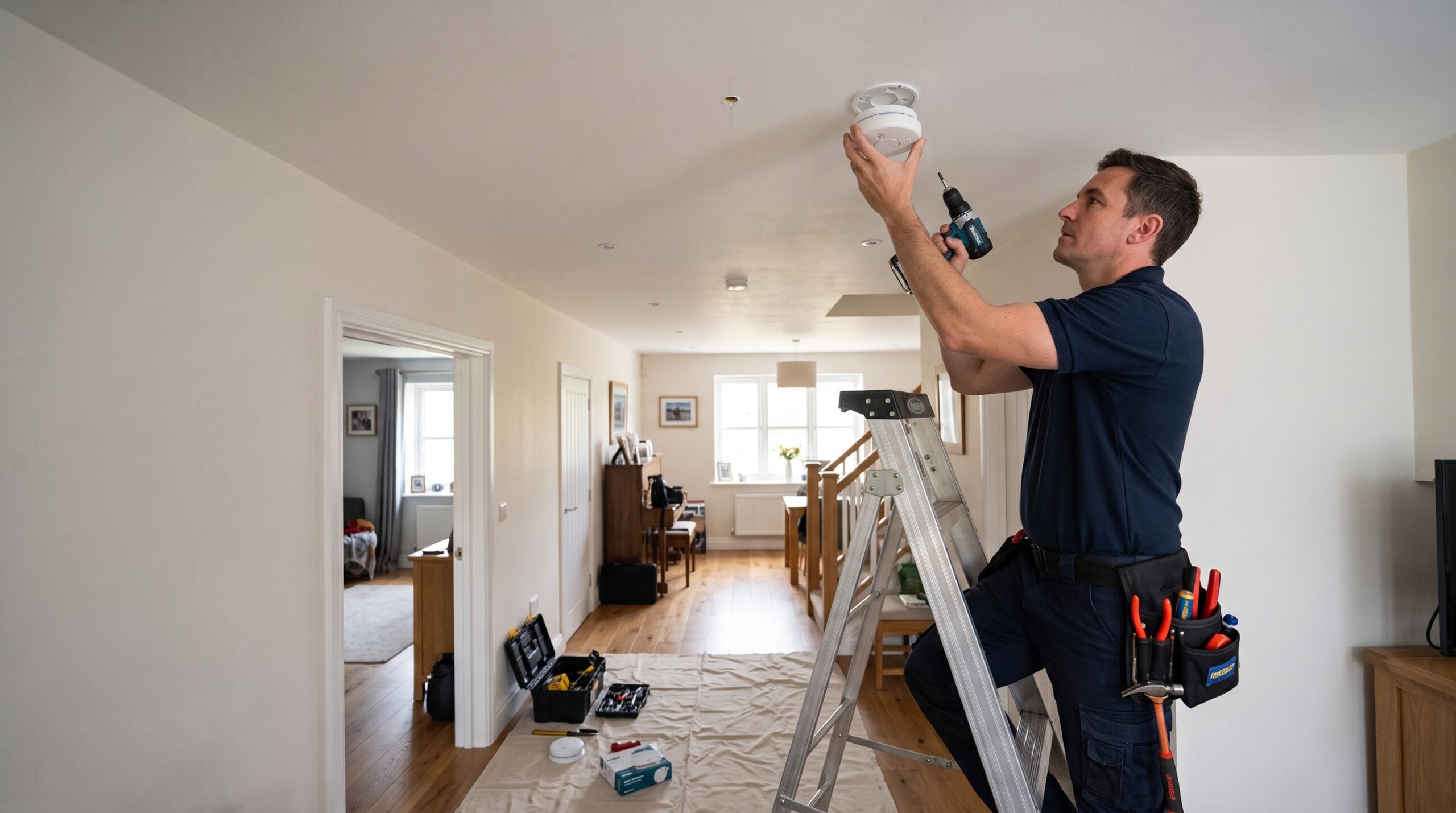
Heritage Home Service is proud to help Massachusetts homeowners install and maintain smoke and carbon monoxide detectors that meet state requirements and, more importantly, actually keep families safe. Detector rules in Massachusetts are more detailed than most homeowners realize, and getting placement and detector type right matters both for safety and for compliance.
What Homeowners Need to Know About Massachusetts Detector Requirements
Massachusetts law requires working smoke and carbon monoxide alarms in nearly every residence, governed primarily by Massachusetts General Law Chapter 148, sections 26E and 26F, along with 527 CMR 1.00 and Nicole’s Law. Requirements vary depending on when your home was built or last substantially renovated, since the rules have been updated several times over the decades.
Key statewide requirements include:
- Smoke alarms are required on every habitable level of the home, including basements, and generally must use photoelectric technology
- Carbon monoxide alarms are required on every level of the home, including habitable basements and attics, in homes with fuel-burning appliances, an attached garage, or a fireplace
- Placement near bedrooms matters — carbon monoxide alarms must generally be located within 10 feet of each bedroom door
- Battery-powered smoke alarms installed since December 2016 must use a sealed, non-removable 10-year battery
- Newer construction typically requires hardwired, interconnected smoke alarms with battery backup, so that when one alarm sounds, they all do
Because these requirements shift based on your home’s construction or renovation date, it’s worth having a professional confirm exactly what applies to your specific property.
Why Detector Placement Matters as Much as the Detector Itself
A smoke or CO alarm that’s the right type but installed in the wrong spot can mean a delayed warning — or a nuisance alarm that gets disconnected out of frustration. Correct placement generally means:
- Smoke alarms installed on the ceiling or high on a wall, away from kitchens, bathrooms, and HVAC vents that can trigger false alarms
- One smoke alarm inside every bedroom, plus one immediately outside each sleeping area
- A smoke alarm at the top of every stairway, since smoke rises and collects near stairwells
- Carbon monoxide alarms within 10 feet of bedroom doors, so the alarm can be heard clearly during sleep
- CO alarms on every level with a fuel-burning appliance, including basements with furnaces, boilers, or water heaters
- Detectors kept away from drafts, direct sunlight, and areas prone to humidity or steam
Common Problems We See With Existing Detector Setups
When we inspect homes across Massachusetts, common issues include:
- Missing detectors on levels added or renovated after the original construction
- Outdated ionization-only smoke alarms where photoelectric technology is now required
- Detectors placed too close to kitchens or bathrooms, causing frequent nuisance alarms and, eventually, disconnected units
- Non-interconnected alarms in homes built after 2008, where interconnection is typically required
- Aging hardwired systems with degraded battery backups that no longer function correctly
- No carbon monoxide protection at all in homes with a furnace, boiler, water heater, or attached garage
How Requirements Differ by Construction Date
Massachusetts detector requirements are generally tied to when a home was built or substantially renovated, with distinct rule sets for homes built before 1975, between 1975 and 1997, between 1997 and 2008, and after January 1, 2008. Newer homes generally face stricter requirements, including hardwired and interconnected systems, while older homes often have more flexibility around battery-powered options — provided they meet current technology and placement standards.
This is especially relevant during a home sale: Massachusetts law requires a compliance inspection by the local fire department before the sale or transfer of most homes, and it’s typically the seller’s responsibility to ensure the home passes.
A Homeowner Scenario: Getting Ready to Sell in Portland
A homeowner preparing to sell their home in the Portland area realized during a pre-listing walkthrough that several of their smoke alarms were older ionization models placed too close to the kitchen, and that their basement furnace room had no carbon monoxide protection at all. Heritage Home Service updated the system with correctly placed photoelectric and combination alarms throughout the home, helping the sale move forward without a compliance delay.
How to Know When You Need Professional Help
Consider a professional inspection or installation if:
- You’re preparing to sell your home and need to confirm compliance
- Your home has been renovated or had rooms added since detectors were last installed
- You’re not sure whether your current alarms are photoelectric, ionization, or a combination unit
- Your fuel-burning appliances or attached garage don’t currently have nearby carbon monoxide protection
- Your smoke or CO alarms are more than 10 years old, which is the general end of a detector’s useful life regardless of battery type
Smoke & CO Detectors in MA
FAQs
-
Do I need carbon monoxide detectors if I don’t have gas appliances?
If your home has any fuel-burning appliance — including an oil furnace, gas water heater, or wood-burning fireplace — or an attached garage, carbon monoxide detection is generally required.
-
How often do smoke and CO detectors need to be replaced?
Most detectors, regardless of battery type, should be replaced after about 10 years, as the sensors themselves degrade over time.
-
Can I install detectors myself, or do they need to be professional-grade?
Many detectors can be self-installed, but confirming correct placement, detector type, and interconnection requirements for your home’s specific age is where a professional inspection adds real value, especially ahead of a sale.
-
What happens if my detectors aren’t compliant when I sell my home?
Non-compliance can delay closing, since most home sales in Massachusetts require a fire department inspection and certificate of compliance beforehand.
Schedule Your Smoke & CO Detector Inspection Today
For generations, families across New England have counted on Heritage Home Service for trustworthy, expert care. Whether you’re closing gaps in your current detector setup or preparing for a home sale, call Heritage Home Service today to schedule a smoke and carbon monoxide detector inspection.
This page is intended as general homeowner guidance. Massachusetts detector requirements vary by construction date and local fire department interpretation — for a compliance inspection or certificate ahead of a sale, confirm specifics with your local fire department in addition to scheduling service with Heritage Home Service.


Financing Made Easy
When you choose Heritage, you can rest easy knowing that we provide straightforward options to help you budget for a complete solution that will last you for decades to come.
VIEW FINANCING OPTIONS

Home Advantage Membership
With Home Advantage Membership, enjoy peace of mind knowing your home’s plumbing, heating, cooling, and electrical needs are handled year after year—hassle-free, with added benefits.
VIEW MEMBERSHIP
What Our Customers Are Saying
Zach did an amazing job on maintaining our HVA system.. It was a pleasure to have him at our home working as a technician. We were very impressed how clean it came out
Show More
Ellen Noon
Installed new bathroom fan. Tyler was very knowledgeable, professional, and efficient. Took time to explain installation and show me photos. Cleaned up after installation. Great communication from Heritage and Tyler.
Show More
Ellen Stanford
Angel was very thorough in describing the work he performed and noting that our system could use additional cleaning to ensure its longevity. I appreciated his knowledge and patience.
Show More
Douglas Cote
Nicholas provided exceptional service and was very thorough. He also answered questions I had and was very knowledgeable. Thank you
Show More
Gloria Hallett
Tech was great! $1140 seems a little steep for two shut off replacements and a faucet install 1.5hrs total labor…but I guess you get what you pay for, and Zach was great.
Show More
Brady Patterson
He was very efficient and detailed. He explained exactly what was done and what was going on with my furnace. Very personable and professional. I would recommend Heritage Home Services.
Show More
paula garabedian
John came out to fix a faulty dryer outlet and did a great job. He clearly knows his work. He found the problem quickly and fixed it right the first time. What I appreciated most was how well he explained everything: what caused the issue, how he fixed it, and what to watch for going forward. He answered all my questions patiently and never made me feel rushed. The price was a bit on the higher side, but the quality of the work and the peace of mind made it worth it. I’d definitely call him again and recommend him to anyone needing electrical work.
Show More
Tony Loyd
Kyle and his team were great. The communication before and during the service were fantastic. Very knowledgeable. Also worked cleanly and efficiently. Would use him and his team again.
Show More
Bill Curry
I had a wonderful experience with Heritage Plumbing Company, especially with Chris, the technician who serviced our heating system today. He arrived on time, communicated throughout the process, and did an excellent job. He was professional, knowledgeable, and made sure everything was taken care of. My tenants are very pleased with the service, and so am I! It’s such a relief to work with someone who is reliable, courteous, and takes pride in their work. Thank you, Chris, for the excellent service. Highly recommend!
Show More
Rossy Concepcion
The guys were great. Corey went thru all steps they were taking and took the time to answer questions. I felt comfortable they knew what they were doing. Great job
Show More
Nicole Martin
Schedule a comprehensive service near you!
Whether you need routine maintenance, repair, or new installation – we have you covered.